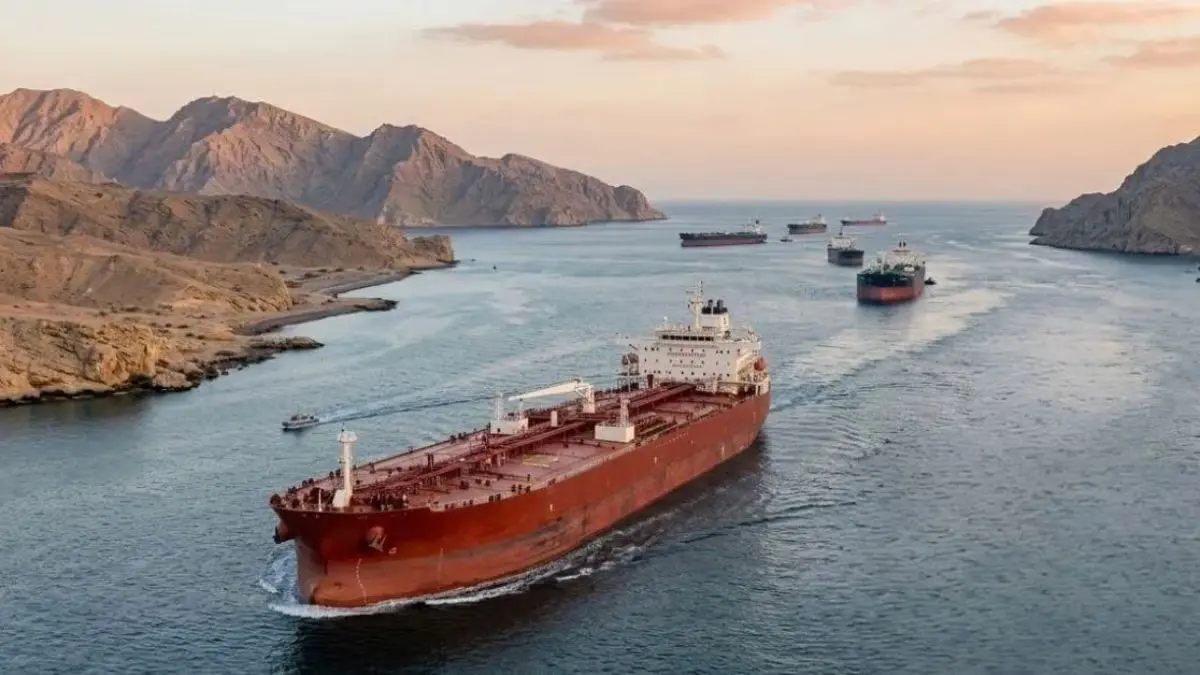
Amid escalating tensions in the Middle East, reports claiming that Iran is charging up to $2 million per vessel to pass through the Strait of Hormuz have raised serious concerns across global markets. While the claim remains unverified, it signals a potential shift in how one of the world’s most critical maritime routes is being controlled during conflict.
What Has Iran Said?
The claim emerged from Iranian parliament member Alaeddin Boroujerdi, who described the move as part of a “new sovereign regime” governing the strait. According to him, the ongoing conflict justifies imposing transit fees on ships crossing the waterway.
Iran’s President Masoud Pezeshkian has maintained that the Strait of Hormuz remains open—but with conditions. He stated that access will continue for vessels that do not violate Iran’s territorial or strategic interests.
Why the Strait of Hormuz Matters
The Strait of Hormuz is one of the most strategically important waterways in the world:
- It carries nearly 20% of global oil supply
- Around 20 million barrels of oil pass through it daily
- It serves as a key route for energy exports from the Gulf to Asia, Europe, and beyond
Any disruption in this narrow passage has immediate global economic consequences, particularly for oil-importing countries like India.
Rising Tensions with the United States
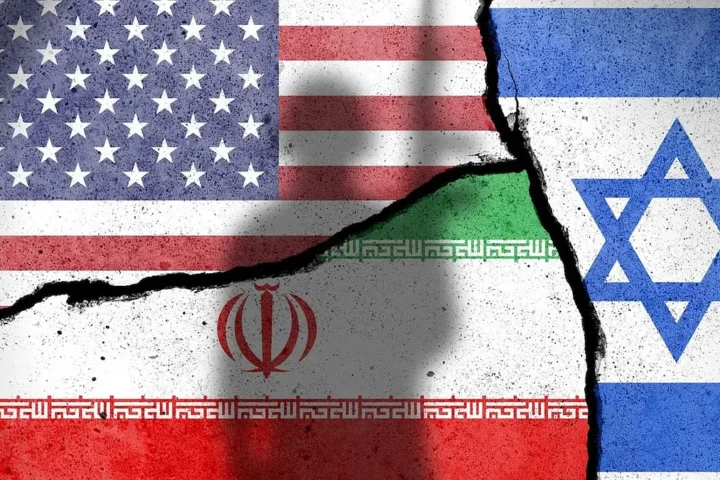
The situation intensified after US President Donald Trump issued a strong warning to Iran, demanding that the strait remain fully open. He reportedly set a 48-hour deadline, threatening military action if shipping access is restricted.
In response, Iran warned that any attack on its infrastructure would lead to retaliation targeting US and allied assets in the region, including energy and technology installations.
Impact on Shipping and Trade
The ongoing tensions have already begun to affect maritime activity in the region:
- Several vessels remain delayed or stranded near the strait
- Shipping companies are facing rising insurance and operational risks
- Global trade routes are witnessing increased uncertainty
Although some ships, including those bound for India, have continued to pass, the situation remains volatile.
Oil Markets React
Global oil prices have shown early signs of instability:
- Brent crude is trading above $110 per barrel
- West Texas Intermediate (WTI) remains close to $100 per barrel
Market experts suggest that prices could rise further if the situation escalates or if supply disruptions intensify.
Global Warning: Energy Crisis Ahead?
The International Energy Agency has issued a strong warning over the unfolding crisis. Its Executive Director, Fatih Birol, stated that the current disruption could surpass the impact of the 1970s oil crises.
He noted that the world has already lost significant oil supply, making the situation “very severe” and potentially one of the worst energy shocks in decades.
Interesting Read
What Lies Ahead
While there is no official confirmation of a standardized $2 million transit fee, the development highlights a broader concern—the increasing use of strategic waterways as geopolitical leverage.
If tensions continue to rise:
- Oil prices could surge further
- Supply chains may face disruptions
- Global inflation pressures could increase
For now, the Strait of Hormuz remains open—but under growing strain. The coming days will be crucial in determining whether this situation stabilizes or escalates into a larger global crisis.