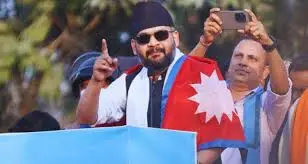
In a historic development, Balendra Shah has taken oath as Nepal’s youngest Prime Minister at the age of 35, signaling a major transformation in the country’s political landscape.
Landslide Victory Reshapes Nepal’s Politics
Shah was appointed Prime Minister by President Ram Chandra Paudel after his party, the Rastriya Swatantra Party, secured nearly two-thirds of the seats in the House of Representatives in the March 5 elections.
The sweeping mandate reflects widespread public dissatisfaction with traditional political parties, long criticized for corruption, inefficiency, and prolonged instability.
Youth-Led Uprising Paved the Way
The political shift follows a significant youth-led uprising in September that led to the fall of the previous government. The protests, driven largely by younger citizens, were rooted in frustration over unemployment, governance failures, and corruption.
Although Shah did not directly lead the protests, he emerged as a prominent voice supporting the movement, aligning himself with the aspirations of a new generation seeking change.
An Unconventional Political Journey
Unlike many of his predecessors, Shah comes from a non-traditional background. A trained structural engineer, he first gained recognition as a rap artist addressing social and political issues.
He later entered public service as the Mayor of Kathmandu, where his governance style and direct communication earned him popularity, particularly among urban youth. His transition from local leadership to national politics has been swift and impactful.
Oath Ceremony Reflects Cultural Traditions
The swearing-in ceremony took place on the occasion of Ram Navami, an important Hindu festival, and incorporated traditional rituals.
The ceremony included conch blowing (shankhnaad) and chants by Hindu priests and Buddhist lamas. The timing of the oath—12:34 PM—was chosen based on astrological considerations and numerological significance, reflecting Nepal’s deep-rooted cultural traditions.
Historical Context: A Nation Seeking Stability
Nepal has experienced decades of political volatility, particularly after transitioning from a monarchy to a republic in 2008. Frequent government changes and fragile coalitions have contributed to public frustration.
Shah’s rise represents a break from established political norms, with voters placing trust in a leader perceived as independent, reform-oriented, and closely connected to the public.
Interesting Read
Anger over corruption and nepotism fuel Nepal’s deadly protests over social media ban
Iran–Israel–US War 2026: The Real Reasons Behind the Conflict and What Lies Ahead
Challenges Facing the New Government
Despite the strong electoral mandate, Shah’s administration faces multiple challenges:
- Addressing corruption and improving governance
- Creating employment opportunities, particularly for youth
- Managing economic pressures
- Delivering stability in a historically volatile political system
A Defining Moment for Nepal
The appointment of Balen Shah marks a generational shift in Nepal’s leadership. Backed by a decisive electoral victory and strong youth support, his tenure is expected to shape the future direction of the country.
Whether this political momentum results in lasting reforms will depend on how effectively his government translates public expectations into action.