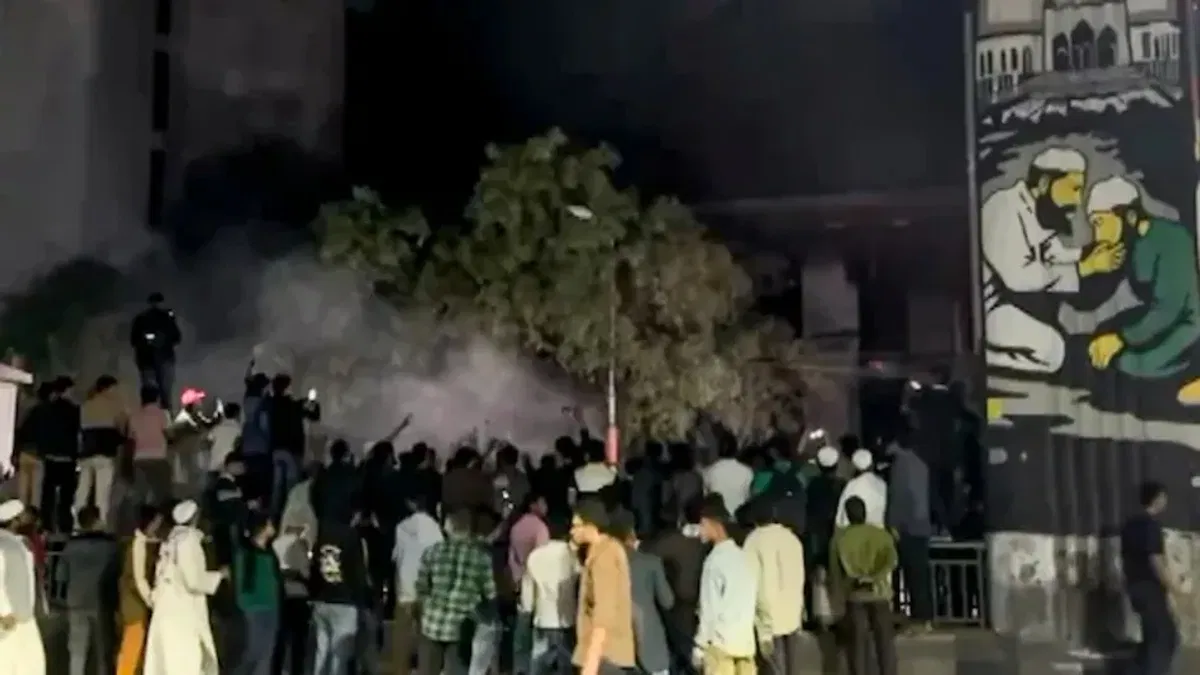
A crude bomb explosion killed one person in Bangladesh’s capital, Dhaka on Wednesday evening, intensifying concerns over deteriorating law and order as the country braces for a politically sensitive period ahead of the return of Bangladesh Nationalist Party (BNP) leader Tarique Rahman after nearly 17 years in exile.
Deadly Evening Blast in Dhaka
The explosion occurred at around 7:00 pm near the Moghbazar Wireless Gate flyover in central Dhaka, one of the city’s busiest intersections. According to police and local media reports, unidentified attackers hurled a crude bomb from the flyover in front of the Bangladesh Muktijoddha Sangsad, the national organisation of 1971 Liberation War veterans.
The victim, Saiful, a private shop employee, was standing at a roadside tea stall beneath the flyover when the bomb landed nearby. He died instantly due to the impact and shrapnel injuries.
Law enforcement officials confirmed that the blast was not targeted at the victim, suggesting he was a bystander caught in the attack.
Security Response
Following the blast, police cordoned off the area and launched a manhunt. Bomb disposal units and forensic teams were deployed to examine the site, while CCTV footage from nearby buildings and traffic cameras is being analysed.
Authorities have increased patrols in central Dhaka and around politically sensitive locations as a precautionary measure.
Why Is This Happening?
The incident comes against the backdrop of deepening political tension and unrest in Bangladesh, triggered by multiple high-profile developments:
- Student leader Sharif Osman Hadi’s killing:
Hadi, a prominent leader of the Inqilab Moncho and a key figure in the 2024 anti-government uprising, was shot by masked gunmen on December 12 in Dhaka. He later died during treatment in Singapore. His death sparked protests, road blockades, and clashes in several parts of the capital. - Political mobilisation ahead of elections:
Bangladesh is preparing for general elections scheduled for February, with opposition parties stepping up street protests and public rallies. Political analysts warn that such periods often see a spike in violence aimed at intimidation and disruption. - Tarique Rahman’s return after 17 years:
Rahman, the 60-year-old son of former Prime Minister Khaleda Zia, is returning from London on Thursday. As the acting chairman of the BNP, he is seen as a leading contender for the prime minister’s post. His return has significant symbolic and political value, mobilising large crowds and rival political interests.
Interesting Reads
Data Shows Rising Violence
According to Bangladeshi rights groups and media reports, Dhaka has witnessed a sharp rise in politically linked violence over the past two weeks, including:
- Attacks using crude bombs and petrol bombs
- Targeted shootings of activists
- Clashes between protesters and security forces
Crude bombs, often locally made using explosive chemicals and metal fragments, are frequently used during periods of political unrest due to their low cost and ease of manufacture.
Government and BNP Reactions
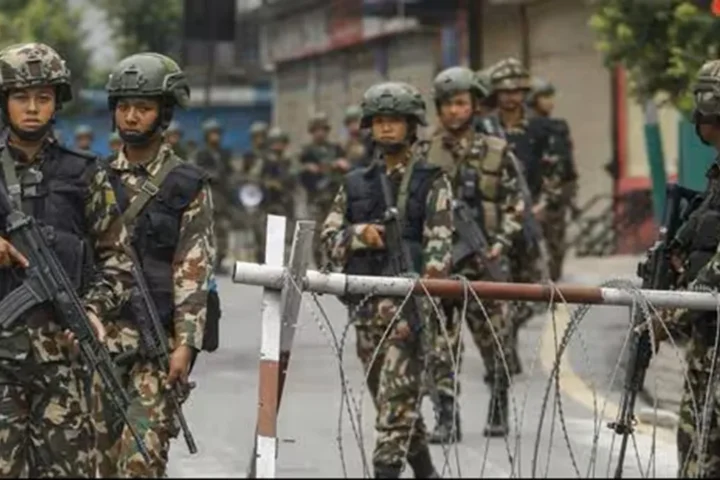
The Muhammad Yunus-led interim government has ordered elaborate security arrangements to coincide with Rahman’s arrival, deploying additional police and paramilitary forces across Dhaka.
Meanwhile, the BNP has announced plans to gather millions of supporters for Rahman’s welcome, calling it a “historic return” and accusing authorities of failing to ensure public safety.
What Comes Next
Investigators are working to determine whether the blast was:
- A politically motivated act
- An attempt to create panic ahead of Rahman’s return
- Or linked to ongoing protests over recent killings
As Bangladesh enters a crucial political phase, Wednesday’s deadly blast underscores the fragile security situation and raises fresh questions about the state’s ability to maintain order in the run-up to national elections.