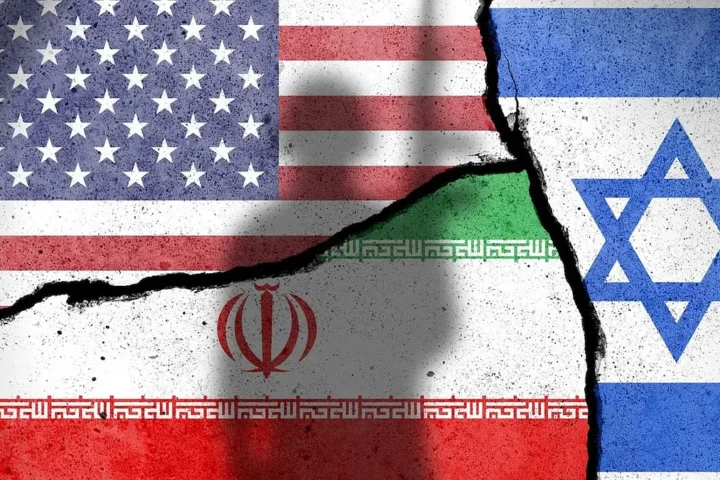
Rising geopolitical tensions in the Middle East have triggered precautionary measures from some of the world’s biggest financial institutions. Major banks including Citigroup and Standard Chartered have begun evacuating offices in Dubai, asking employees to work remotely as fears grow over potential Iranian strikes targeting financial institutions linked to the United States and Israel.
According to sources familiar with the matter, Citigroup has instructed staff working in offices located in the Dubai International Financial Centre (DIFC) and the Oud Metha district to work from home until further notice. The move follows heightened security concerns after Iranian officials warned that economic and banking interests associated with the US and Israel could be targeted in the region.
A memo sent to Citigroup employees confirmed the decision, emphasizing that the bank is prioritizing employee safety while ensuring operations continue smoothly through contingency plans.
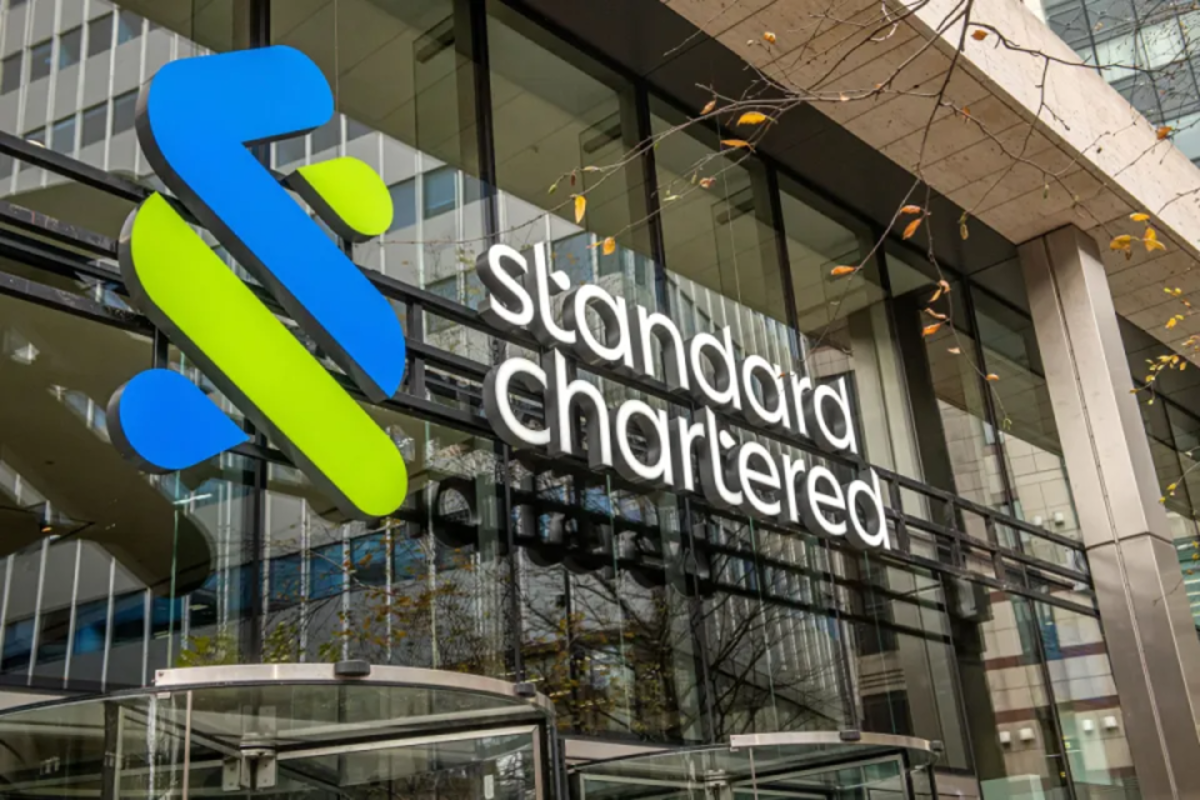
Meanwhile, Britain-based lender Standard Chartered—which has a significant presence in the UAE—has reportedly taken similar precautionary steps. The bank declined to publicly comment on the developments.
In a related development, HSBC announced the temporary closure of all its branches in Qatar, citing safety concerns for both customers and staff.
Tensions Rise After Attack on Iranian Bank
The precautionary actions came shortly after a spokesperson for Tehran’s Khatam al-Anbiya military command warned that Iran could target economic interests connected to the US and Israel in the Gulf region.
The warning followed an overnight attack in Tehran that struck an administrative building linked to Bank Sepah, one of Iran’s largest public banks with historical links to the country’s military, according to reports from Iranian media.
The broader conflict has already escalated, with Iran responding to recent US and Israeli strikes by launching missiles across several parts of the Middle East, causing casualties, infrastructure damage, and travel disruptions.
Dubai’s Financial Hub Under Pressure
Over the past two decades, Dubai has transformed into one of the world’s fastest-growing financial centers. The establishment of the Dubai International Financial Centre in 2004 helped attract hundreds of global banks, hedge funds, asset managers, and legal firms.
By the end of 2025, the DIFC hosted:
- 290+ banks
- 102 hedge funds
- 500 wealth management firms
- 1,289 family offices and related entities
However, the ongoing conflict has begun to challenge Dubai’s reputation as a stable regional business hub. Analysts warn that prolonged tensions could lead to capital flight, relocation of firms, and potential layoffs if security risks escalate further.
Despite the situation, global banks remain cautiously optimistic about the region. Earlier this week, Georges Elhedery, CEO of HSBC, said the bank’s long-term confidence in the Gulf economies remains unchanged.
“The safety of our colleagues and customers remains our top priority,” HSBC said in a statement regarding its regional operations.
Interesting Read
Several other international institutions have also shifted to remote work policies. Staff working with firms including Goldman Sachs and JPMorgan have reportedly been advised to follow local government guidance and operate remotely wherever necessary.
As tensions continue to unfold, global financial institutions operating in the Gulf are closely monitoring the situation—balancing business continuity with security precautions in one of the world’s most important financial corridors.