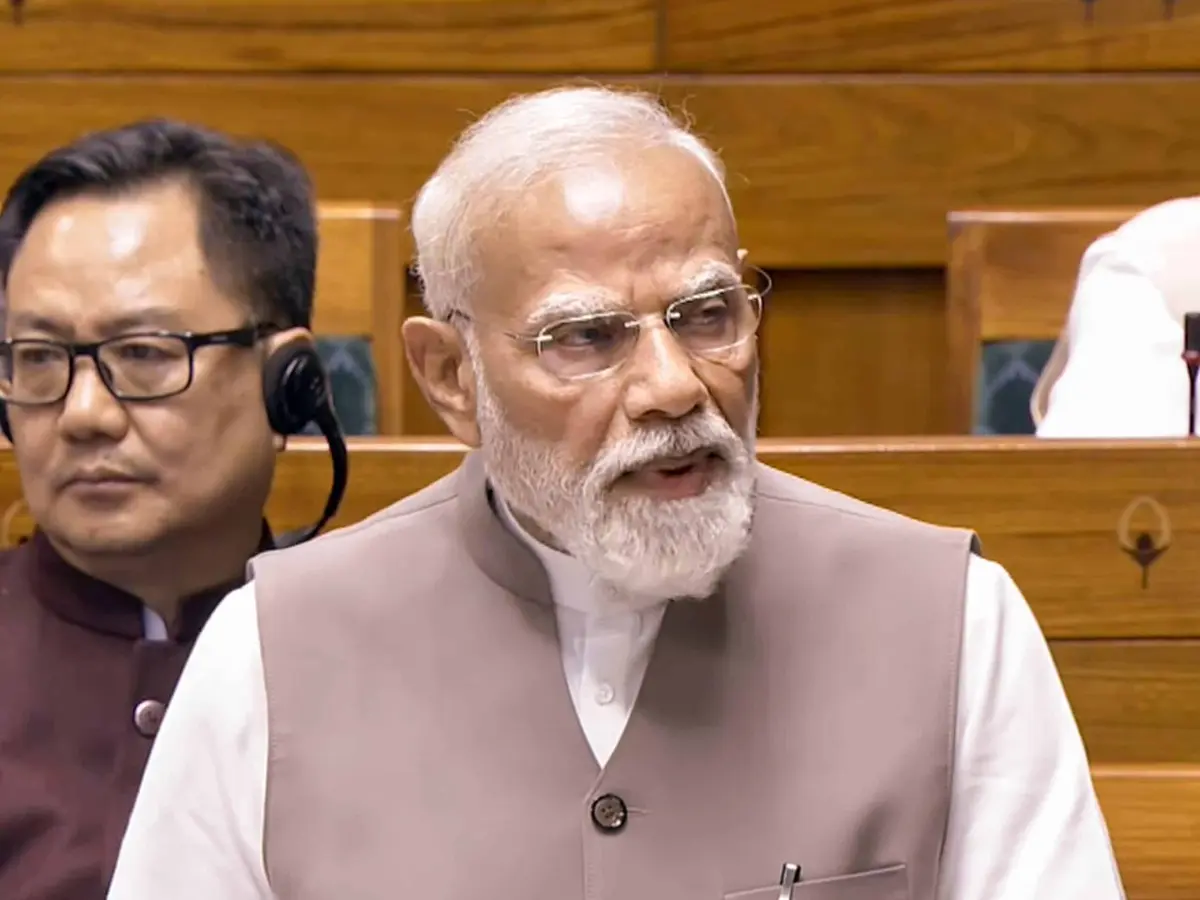
Amid escalating tensions in West Asia, Prime Minister Narendra Modi on Tuesday issued a strong warning in the Rajya Sabha, cautioning that the ongoing US-Iran conflict could have long-term economic and strategic consequences for India, particularly in the areas of energy security, inflation, and global supply chains.
Addressing the Upper House, the Prime Minister stressed that while the government is actively managing the situation, citizens and states must remain prepared for sustained challenges.
“The impact of this war may be long-lasting. I urge citizens to be prepared for every challenge. The government is alert, and the nation’s interest remains paramount,” Modi said.
Energy Shock & Inflation Risks Loom Large
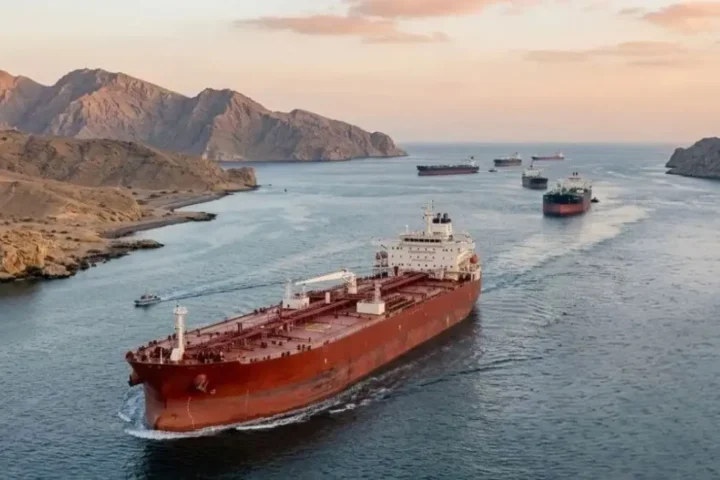
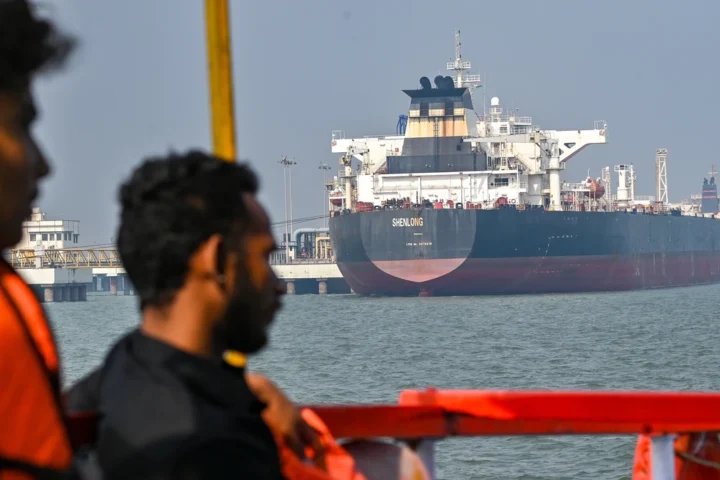
The conflict has raised serious concerns over disruptions in global oil and gas flows, especially through the strategically vital Strait of Hormuz, a key route for nearly a fifth of the world’s petroleum supply.
With reports of restricted movement of oil and gas tankers, India—one of the world’s largest energy importers—faces potential risks such as:
- Rising crude oil prices
- Increased transportation and logistics costs
- Inflationary pressure on essential commodities
Government sources indicate that the Centre is closely monitoring global price trends and is prepared to intervene if volatility escalates.
Centre Calls for Cooperative Federal Response
Drawing lessons from the COVID-19 pandemic, Modi called for coordinated action between the Centre and states, emphasizing the need for a unified national response.
He warned that in crisis situations, migrant workers, daily wage earners, and economically weaker sections are the most vulnerable.
Key directives to states include:
- Ensuring social and economic protection for labourers
- Preventing hoarding and black marketing of essential goods
- Maintaining supply chain stability at the local level
Seven Empowered Groups Activated
To mitigate the multi-dimensional impact of the crisis, the government has constituted seven empowered groups tasked with:
- Monitoring fuel and energy availability
- Securing fertiliser supply for agriculture
- Maintaining logistics and transportation networks
- Controlling inflation and price fluctuations
These groups are working in real time to ensure rapid decision-making and policy coordination.
India’s Massive Evacuation Effort
Highlighting India’s proactive approach, the Prime Minister revealed that over 3.75 lakh Indians have been safely evacuated since the conflict intensified.
This includes:
- 1,000+ citizens from Iran
- Over 700 Indian students, primarily medical aspirants
The evacuation effort reflects India’s growing capability in handling overseas crises, with coordination across diplomatic missions, defence channels, and civil aviation.
Diplomacy in Action: Ensuring Safe Energy Flow
Despite disruptions in key maritime routes, India has leveraged strategic diplomacy to ensure that energy shipments continue to reach its shores.
Officials confirmed:
- Continuous engagement with global suppliers
- Diversified sourcing strategies
- Safe passage arrangements for Indian vessels
India has also reiterated its stance on resolving the conflict through dialogue and peaceful negotiations, maintaining its neutral and balanced geopolitical position.
Strong Energy Backup: India’s Strategic Advantage
Reassuring the nation, Modi highlighted that India is well-prepared to handle supply disruptions due to years of strategic planning.
Key highlights include:
- Strategic petroleum reserves exceeding 53 lakh metric tonnes, with expansion plans beyond 65 lakh metric tonnes
- Diversification of crude oil imports from 27 to 41 countries over the last decade
- Expansion of refining capacity and domestic gas distribution networks, including LPG and piped natural gas
Recent shipments of crude oil and LPG from multiple countries have already reached India, ensuring no immediate shortage concerns.
A Test of Preparedness and Resilience
The Prime Minister concluded by underlining that global crises test not only a nation’s resilience but also its long-term preparedness and policy vision.
Over the past decade, India’s focus on energy diversification, infrastructure development, and crisis management frameworks has strengthened its ability to navigate such geopolitical shocks.
Interesting Read
India’s Message to the World
At a time when global tensions are rising, India has positioned itself as:
- A responsible global player advocating peace
- A nation focused on protecting its citizens and economy
- A country prepared to withstand prolonged global disruptions
Conclusion
As the US-Iran conflict continues to unfold, India stands at a critical juncture—balancing economic stability, energy security, and humanitarian priorities.
The message from the government is clear: stay prepared, stay united, and remain vigilant, as the ripple effects of this war could shape the global and domestic landscape for months, if not years.