US President Donald Trump has sharply criticised key allies for their reluctance to support military efforts to secure the Strait of Hormuz, one of the world’s most critical energy corridors.
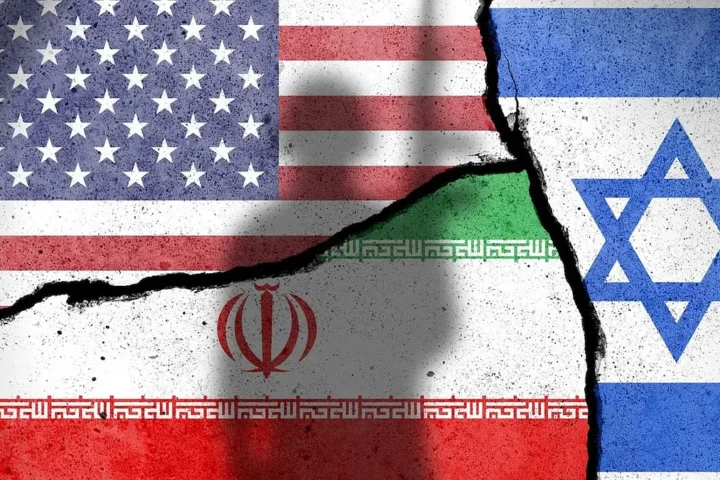
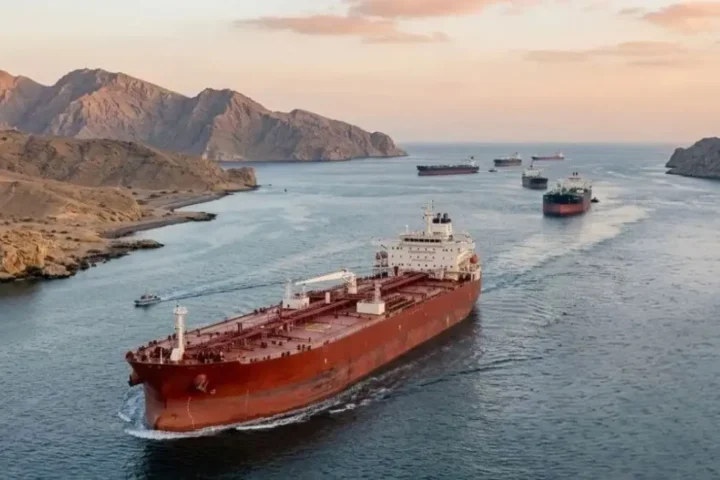
The waterway—responsible for nearly 20% of global oil and liquefied natural gas shipments—has remained largely blocked since the February 28 US-Israel strikes on Iran triggered a wave of drone and missile attacks across the Gulf region.
Trump Expresses Frustration Over ‘Lack of Enthusiasm’ from Allies
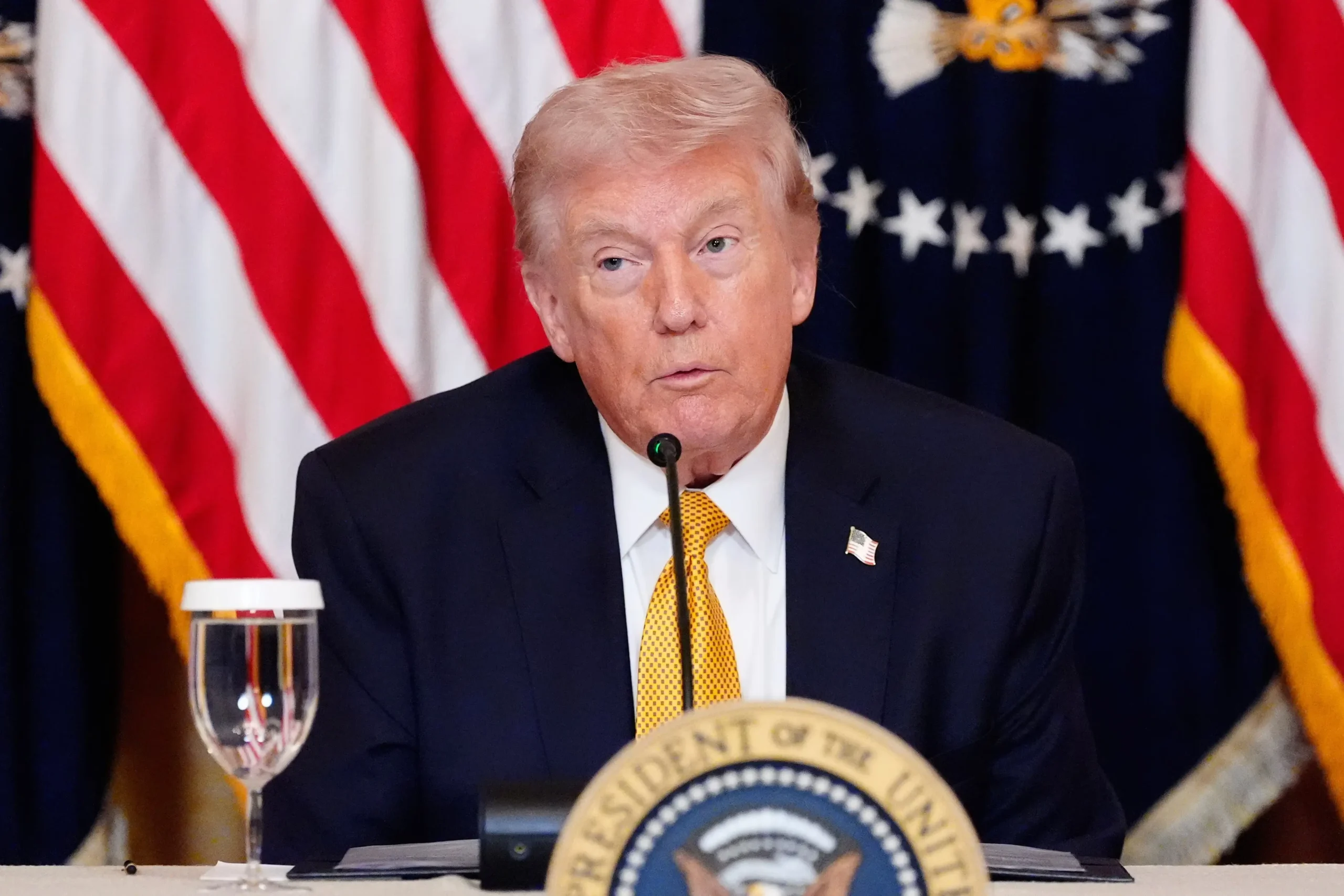
Speaking at the White House, Trump suggested that several long-standing allies have failed to respond decisively to US calls for deploying naval forces to escort tankers through the Strait.
Without naming specific countries, he remarked that while some nations were willing to assist, others were “not enthusiastic enough,” despite years of US security support.
The comments reflect growing frustration within Washington as it seeks broader international backing to stabilise the region and restore maritime security.
Germany, UK and European Allies Refuse Immediate Military Role
Several US allies, including Germany, United Kingdom, Spain and Italy, have indicated that they are not prepared to join military operations at this stage.
German Chancellor Friedrich Merz stated that Berlin lacks the necessary mandate from international bodies such as the United Nations, the European Union, or NATO. He also noted that the US and Israel did not consult allies before initiating military action against Iran.
UK Takes Cautious Approach, Rules Out Wider War Involvement
UK Prime Minister Keir Starmer has made it clear that Britain will not be drawn into a broader conflict.
While the UK has allowed the US to use its military bases and is exploring limited support options—such as deploying mine-hunting capabilities—it has avoided committing to direct offensive operations.
Starmer emphasised that reopening the Strait is essential but warned that the process is complex and requires coordinated international planning.
European Union Divided on Naval Response Strategy
Within the European Union, divisions have emerged over how to respond to the escalating crisis.
EU foreign policy chief Kaja Kallas has suggested expanding existing naval missions in the region to help secure the Strait. However, member states remain divided, with some countries reluctant to alter current mandates or increase military involvement.
Spain has urged restraint, warning against actions that could escalate tensions further, while Italy has expressed concerns about shifting focus from existing operations in the Red Sea.
Interesting Read
Global Energy and Security Risks Intensify
The continued disruption in the Strait of Hormuz has raised serious concerns about global energy stability, shipping security, and the risk of a wider regional conflict.
With diplomatic consensus lacking and military options under debate, the situation underscores a growing divide between the United States and its allies over how to respond to the Iran crisis.
Conclusion: A Test of Global Alliances
As tensions escalate, the Hormuz crisis is fast becoming more than just a regional conflict—it is a test of international cooperation and strategic alignment.
While the US pushes for a stronger, unified response, European allies are prioritising caution, legality, and de-escalation—leaving the future of one of the world’s most vital trade routes uncertain.