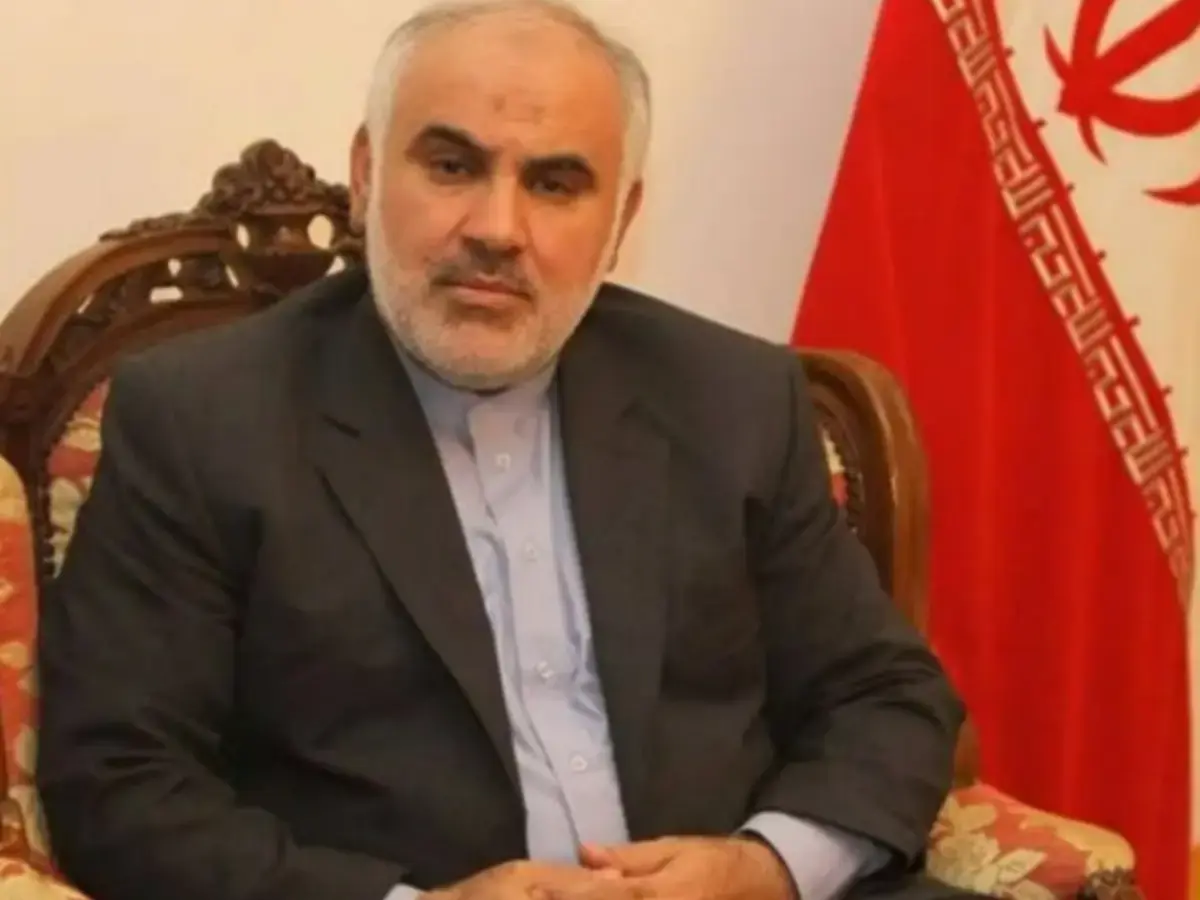
Iran has signalled its readiness to significantly expand counterterrorism cooperation with India, underlining terrorism and regional instability as shared challenges that demand closer coordination between the two countries.
Mohammad Fathali, Iran’s newly appointed Ambassador to India, said New Delhi and Tehran can work together more closely by sharing experience, intelligence, and best practices in combating extremist violence—while fully respecting each other’s sovereignty and national interests.
Shared Experiences, Common Threats
In an interview with PTI, Ambassador Fathali referred to India’s recent counterterrorism efforts, including Operation Sindoor in May, and Iran’s own long history of dealing with terrorism amid regional tensions.
“Iran has long been a victim of terrorism and has paid a heavy price in confronting extremist violence,” Fathali said, noting that the country has lost several senior military commanders and soldiers in the fight. These sacrifices, he added, reflect Iran’s deep operational experience and commitment to countering terrorism.
According to the envoy, Iran is willing to share this expertise with friendly nations such as India, creating space for deeper strategic cooperation.
Expanding Ties Beyond Security
While counterterrorism remains a key focus, Fathali emphasised that India-Iran relations have far wider potential. He pointed to opportunities in emerging technologies, renewable energy, academic exchanges, scientific research, and cultural engagement.
After presenting his credentials to President Droupadi Murmu at Rashtrapati Bhavan, the ambassador said his priority would be to build on the foundation laid by his predecessor while initiating new collaborative efforts.
Strengthening political dialogue, expanding economic cooperation, increasing private-sector engagement, and deepening cultural ties will be central to his diplomatic agenda, he added.
Trade Slump and the Sanctions Challenge
Despite diplomatic momentum, trade between India and Iran continues to lag due to US sanctions. In 2024, bilateral trade stood at approximately USD 2.3 billion—an 87% decline from the 2018–19 peak of USD 17 billion, when crude oil dominated India’s imports from Iran.
India stopped importing Iranian crude oil in May 2019 after US waivers expired. Acknowledging the constraints, Fathali cited banking restrictions, logistical issues, and limited private-sector awareness as key hurdles.
However, he expressed optimism that these challenges can be overcome through sustainable financial arrangements, streamlined trade processes, and stronger direct business-to-business engagement.
Interesting Read
Chabahar Port Remains Strategic
Highlighting long-term regional interests, the ambassador described the Chabahar Port as a vital pillar of regional connectivity. The project provides India with access to Afghanistan, Central Asia, and the International North-South Transport Corridor.
By cutting transit time and lowering costs, the connectivity framework can strengthen regional supply chains and boost trade resilience, Fathali said.
A Renewed Strategic Outlook
Iran’s outreach reflects a broader effort to recalibrate ties with India at a time of shifting regional dynamics. With shared security concerns, economic ambitions, and connectivity goals, the two countries appear poised to explore a deeper, more comprehensive partnership.