US Strikes Iran
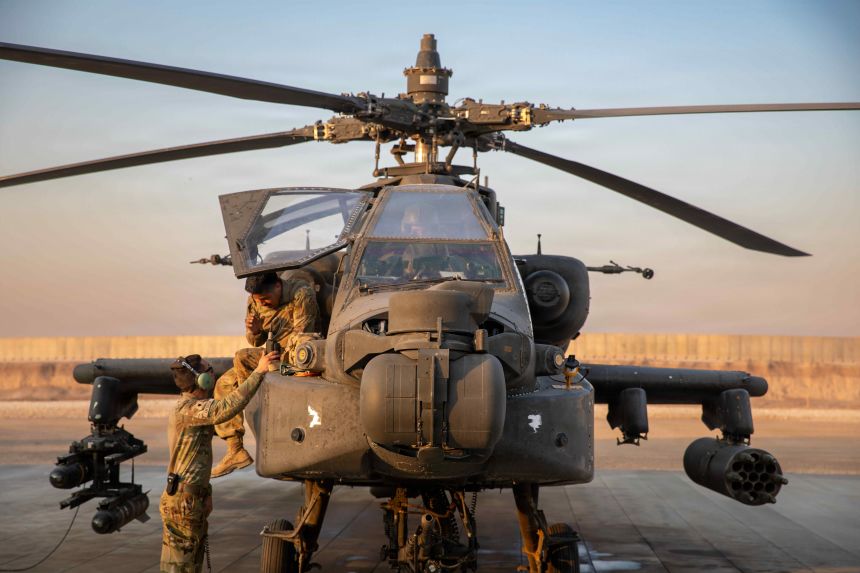
The United States has launched a series of military strikes against Iranian military and surveillance facilities following the downing of an American Apache helicopter near the Strait of Hormuz. The incident has significantly escalated tensions between Washington and Tehran, raising concerns about regional stability and the future of ongoing diplomatic negotiations.
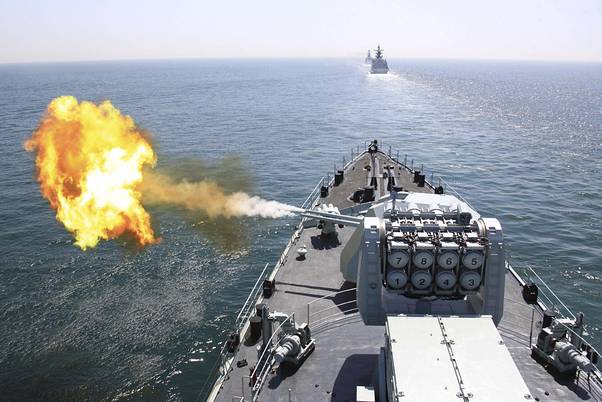
According to the US military’s Central Command (Centcom), the strikes targeted Iranian air defence systems, radar installations, and ground control stations located near the strategically important Strait of Hormuz. US officials described the operation as a “proportional response” to the attack on the Apache helicopter, which occurred earlier this week.
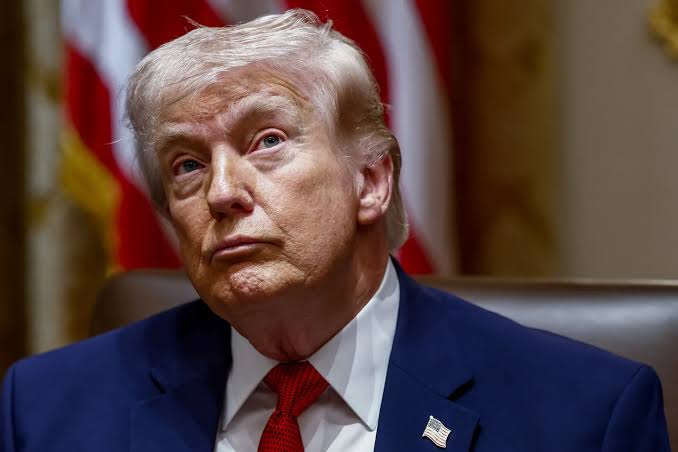
President Donald Trump stated that the helicopter was conducting a routine patrol mission in the Strait of Hormuz when it was brought down. Although both crew members survived and were rescued by an American sea drone, the incident prompted an immediate review of US military operations in the region.
US officials have alleged that an Iranian drone was responsible for the attack on the helicopter. However, reports suggest it remains unclear whether the strike was intentional. Iran has not officially accepted responsibility for the incident, with local media reports indicating that Tehran has not claimed involvement.
Iran Responds With Retaliatory Strikes
In response to the US military action, Iran’s Islamic Revolutionary Guard Corps (IRGC) announced that it had launched retaliatory strikes against multiple US military facilities across the region. Iranian officials claimed that attacks targeted American bases in Bahrain and Jordan, while Kuwait’s military reported intercepting incoming threats aimed at its territory.
Iran described the US attacks as “vicious aggression” and warned that any further military action would be met with a strong response. Iranian Foreign Minister Abbas Araghchi stated that Iran would leave “no attack or threat unanswered” and urged foreign military forces to leave the region if they wished to avoid further escalation.
The IRGC also reported damage to infrastructure, including a telecommunications tower and water storage facilities in southern Iran. Iranian authorities said locations including Jask, Sirik, and Qeshm Island were among the areas affected by the US strikes.
Interesting Reads
US strikes Iran in response to downing of military helicopter
Rising Regional Concerns
The latest exchange of military action has increased fears of a broader conflict in the Middle East. The Strait of Hormuz remains one of the world’s most important maritime routes, with a significant portion of global oil shipments passing through the narrow waterway.
The incident comes amid heightened regional tensions involving Iran, Israel, and several Western allies. Recent military operations in southern Lebanon and previous exchanges of fire between Israel and Iran have already placed the region on edge.
Military analysts warn that continued hostilities could threaten international shipping, energy markets, and regional security. Governments across the Middle East are closely monitoring developments as diplomatic efforts struggle to contain the crisis.
Impact on US-Iran Negotiations
The renewed military confrontation could also complicate ongoing diplomatic discussions between Washington and Tehran. Iranian officials have accused the United States of undermining peace efforts through military actions and inconsistent policy positions.
Iranian Foreign Ministry spokesman Esmaeil Baqai stated that diplomacy requires stability and trust, adding that recent events have forced Tehran to reassess its approach to negotiations.
Despite the growing tensions, President Trump expressed optimism about the possibility of a future agreement. He indicated that discussions aimed at reducing regional conflict were still underway and suggested that progress could be achieved within days if both sides showed restraint.
What Happens Next?
As both nations exchange warnings and military actions, the international community is calling for restraint to prevent further escalation. The coming days will be crucial in determining whether diplomatic channels can be preserved or whether the situation develops into a larger regional conflict.
With the Strait of Hormuz remaining a vital global shipping route and military forces on high alert, the world is closely watching the next moves from both Washington and Tehran.