Trump Draws Red Line on Iran Nuclear Program, Says Security Concerns Outweigh Economic Risks
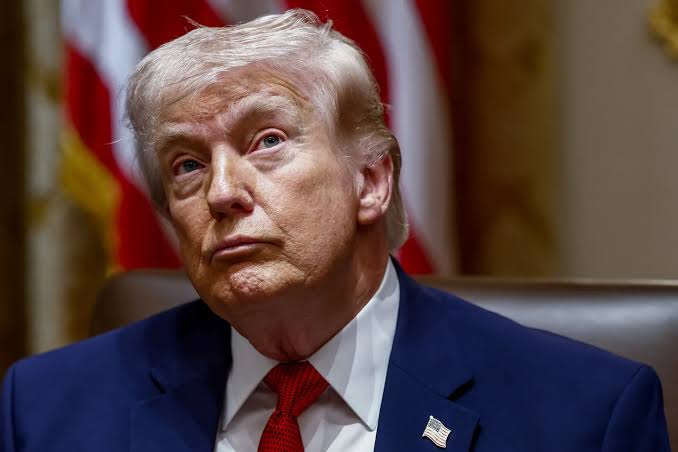
The ongoing diplomatic engagement between the US-Iran has entered a critical phase after US President Donald Trump issued one of his strongest warnings yet regarding Tehran’s nuclear ambitions. Speaking from the Oval Office, Trump made it clear that Washington is prepared to take whatever measures it deems necessary if Iran fails to comply with any future nuclear agreement emerging from ongoing negotiations.
His comments come at a time when both countries are attempting to navigate a complex diplomatic process aimed at reducing tensions and preventing further escalation in the Middle East. However, Trump’s remarks underline the significant challenges that remain before a lasting agreement can be reached.
Trump’s Warning to Tehran
During a White House event focused on quantum technology initiatives, Trump addressed reporters’ questions regarding the status of ongoing discussions with Iran.
The US President emphasized that compliance would be the key factor determining future relations between Washington and Tehran. He warned that any violation of a future agreement would trigger a response from the United States.
According to Trump, Iran’s willingness to cooperate and adhere to negotiated commitments will ultimately determine whether diplomacy succeeds or whether tensions return to a dangerous level.
His remarks reinforced a longstanding position held by successive US administrations—that preventing Iran from obtaining nuclear weapons remains a central objective of American foreign policy.
Nuclear Weapons a Greater Threat Than Economic Consequences
One of the most notable aspects of Trump’s comments was his dismissal of concerns that military action against Iran could trigger serious economic disruptions.
Analysts have repeatedly warned that a major conflict involving Iran could impact global energy markets, international trade routes, and financial stability. Such concerns have become particularly significant given Iran’s strategic location near the Strait of Hormuz, one of the world’s most important oil shipping corridors.
However, Trump argued that the potential dangers associated with a nuclear-armed Iran far outweigh any economic risks resulting from efforts to prevent such an outcome.
The President suggested that while economic downturns can be managed and recovered from, the consequences of nuclear proliferation could be far more severe and potentially irreversible.
His comments signal that national security considerations continue to dominate Washington’s approach to the Iranian nuclear issue.
US-Iran Talks Continue Amid Tensions
Despite the strong rhetoric, diplomatic channels between the two countries remain active.
Recent discussions held in Switzerland have been described by American officials as constructive, with both sides reportedly engaging in technical negotiations aimed at establishing a framework for future cooperation.
The talks have focused primarily on nuclear transparency, monitoring mechanisms, and verification procedures designed to ensure that Iran’s nuclear activities remain peaceful.
The diplomatic effort represents one of the most significant attempts in recent years to reduce tensions between the two longtime adversaries.
Officials involved in the negotiations believe that establishing clear verification mechanisms will be critical to building trust and preventing future disputes.
Vice President JD Vance Highlights Progress
Vice President JD Vance has expressed optimism regarding the outcome of the initial discussions.
According to Vance, the negotiations have created a foundation upon which a broader agreement could potentially be built. He suggested that progress had been made on several technical issues and indicated that both sides were exploring mechanisms that could provide greater transparency regarding Iran’s nuclear activities.
American officials have described these developments as encouraging signs, though they caution that substantial work remains before a final agreement can be reached.
The administration continues to stress that any future deal must contain robust inspection provisions capable of verifying Iranian compliance over the long term.
Trump’s Push for Strict Nuclear Inspections
Trump has repeatedly emphasized the importance of comprehensive inspections as part of any future agreement.
In public statements, the President has argued that transparency and verification are essential to ensuring what he describes as “nuclear honesty.” His administration believes that independent inspections are necessary to prevent misunderstandings and provide confidence that commitments are being honored.
The proposed inspection regime would likely involve cooperation with international nuclear monitoring organizations and the implementation of strict reporting requirements.
For Washington, verification remains one of the most critical elements of any future arrangement with Tehran.
Interesting Reads
Iran Pushes Back Against US Claims
Iranian officials, however, have challenged several assertions made by American leaders.
Tehran has rejected suggestions that it has agreed to new or expanded inspection commitments beyond its existing obligations. Iranian authorities maintain that their cooperation with international nuclear monitoring agencies will continue according to established agreements and national legislation.
Officials in Tehran have emphasized that any future cooperation must respect Iran’s sovereignty and legal framework.
This difference in interpretation highlights one of the key obstacles facing negotiators. While the United States seeks expanded transparency measures, Iran remains cautious about accepting conditions it views as exceeding existing commitments.
Strategic Importance of the Iran Nuclear Issue
The Iranian nuclear program remains one of the most sensitive security issues in international politics.
Western governments have long expressed concerns that Iran could potentially develop nuclear weapons capabilities, while Iranian leaders insist that their nuclear activities are intended solely for peaceful purposes such as energy production and scientific research.
The issue has shaped regional alliances, influenced global energy markets, and played a central role in Middle Eastern geopolitics for decades.
Any breakthrough in negotiations could have far-reaching implications not only for US-Iran relations but also for regional stability, international security, and global diplomatic efforts.
Economic and Geopolitical Implications
The outcome of the current negotiations could significantly impact international markets and geopolitical stability.
A successful agreement may reduce regional tensions, improve investor confidence, and support greater stability in global energy supplies. Conversely, a collapse in talks could lead to renewed uncertainty, increased military tensions, and heightened concerns about security in the Middle East.
Given the region’s importance to global energy production and trade, developments in US-Iran relations are being closely monitored by governments, businesses, and international organizations worldwide.
Conclusion
President Donald Trump’s latest remarks underscore the seriousness with which Washington views Iran’s nuclear program. While diplomatic discussions continue and both sides seek common ground, significant differences remain regarding inspections, compliance mechanisms, and the future structure of any agreement.
Trump’s insistence that preventing nuclear proliferation outweighs economic concerns demonstrates the administration’s willingness to maintain a firm stance during negotiations. At the same time, ongoing talks in Switzerland suggest that diplomacy remains the preferred path for resolving one of the world’s most complex geopolitical challenges.
As negotiations progress, the coming weeks may prove critical in determining whether the United States and Iran can reach a lasting agreement or whether tensions once again move toward confrontation.