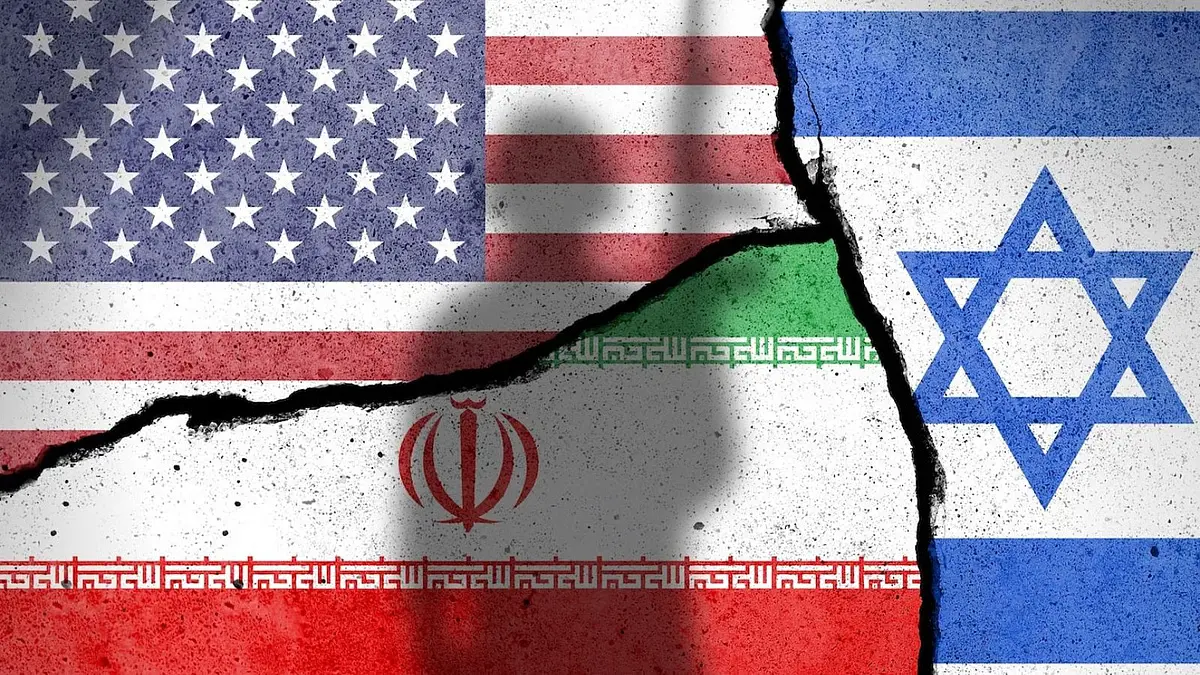
The 2026 war involving Iran, Israel, and the United States has become one of the most critical global crises of the modern era. What appears today as a sudden military escalation is actually the result of decades of political shifts, ideological conflict, nuclear tensions, and strategic power struggles. With ongoing airstrikes, rising casualties, threats to global oil supply, and uncertain diplomatic efforts, this conflict is not only reshaping the Middle East but also impacting global economies and countries like India.
Historical Background and Deep-Rooted Rivalry
To understand the current war, it is essential to go back to 1979, when a major political transformation took place in Iran known as the Iranian Revolution. Before 1979, Iran was ruled by Shah Mohammad Reza Pahlavi, who maintained strong relations with Western countries, including the United States, and had relatively cooperative ties with Israel. Iran was considered a stable and strategic ally in the Middle East.
However, the revolution overthrew the Shah and brought Ayatollah Ruhollah Khomeini to power, establishing Iran as an Islamic Republic. This new leadership rejected Western influence and adopted a strong ideological stance against both the United States and Israel. Israel was no longer seen as a partner but as an illegitimate state, and this belief became deeply embedded in Iran’s political and religious framework.
From that point onward, the relationship between Iran and Israel turned hostile. Over the decades, this hostility evolved into a broader geopolitical rivalry, with both nations seeking influence in the Middle East. Iran aimed to expand its presence and ideological influence, while Israel focused on protecting its sovereignty and countering any emerging threats.
Rise of Proxy Warfare and Nuclear Tensions
For many years, Iran and Israel did not engage in direct war. Instead, Iran adopted a strategy of indirect confrontation by supporting armed groups in the region. These included Hezbollah in Lebanon and Hamas in Gaza, both of which have been involved in conflicts with Israel. Through these groups, Iran was able to challenge Israel’s security without entering into full-scale war.
Israel responded with targeted military strikes, intelligence operations, and defensive systems to neutralize these threats. This created a continuous cycle of tension and retaliation across multiple regions, including Syria and Iraq.
At the same time, Iran’s nuclear program became a major global concern. Iran has consistently stated that its nuclear activities are for peaceful purposes such as energy production and scientific research. However, the United States and Israel suspect that Iran could develop nuclear weapons. This fear has led to years of economic sanctions, diplomatic negotiations, and covert operations aimed at slowing Iran’s nuclear progress.
The nuclear issue significantly increased tensions because it introduced the possibility of a major strategic imbalance in the region. A nuclear-armed Iran would not only threaten Israel but could also trigger a wider arms race in the Middle East.
Why the United States Became a Central Player
The involvement of the United States in this conflict is based on multiple strategic reasons rather than a single event. First, the United States has a long-standing alliance with Israel, providing it with military support, advanced technology, and diplomatic backing. Israel is seen as a key partner for maintaining stability and influence in the Middle East.
Second, Iran has consistently opposed U.S. presence and policies in the region since 1979. Over time, Iran expanded its influence across countries such as Iraq, Syria, and Lebanon, positioning itself as a major regional power. From the U.S. perspective, this expansion challenges its dominance and threatens its allies.
Third, energy security plays a critical role. The Strait of Hormuz, a narrow waterway between Iran and the Arabian Peninsula, is one of the most important oil transit routes in the world. Around one-fifth of global oil supply passes through this route. Iran has the capability to disrupt or block this passage, which could severely impact global markets. The United States, therefore, aims to ensure that this route remains open and secure.
Additionally, the United States maintains military bases across the Middle East. Any attack on these bases by Iran directly involves the U.S. in the conflict. Domestic political factors also play a role, as support for Israel is strong within the United States, making its involvement both a strategic and political necessity.
The 2026 Escalation and Today’s War Situation
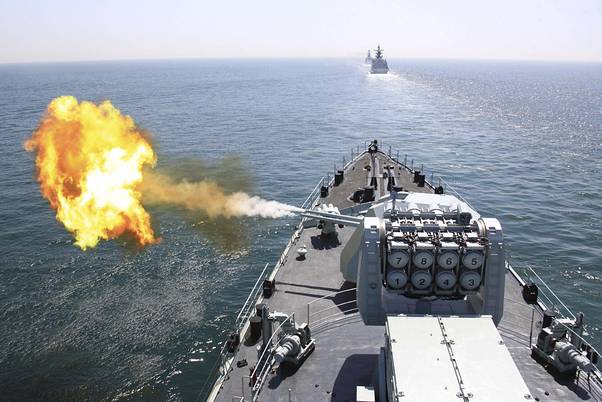
The conflict entered a new phase in early 2026 when the United States and Israel carried out coordinated airstrikes on Iran’s nuclear facilities, missile systems, and military infrastructure. This marked a clear shift from indirect confrontation to direct military conflict.
The situation escalated further after the reported killing of Iran’s Supreme Leader, Ali Khamenei. This event triggered a strong response from Iran, which launched missiles and drones targeting Israeli cities as well as U.S. military bases in the Gulf region.
As of today, March 2026, the conflict is rapidly expanding. Iran has rejected claims of ongoing peace negotiations and continues to engage in military actions. Israel is carrying out repeated airstrikes on key Iranian locations, including areas in and around Tehran. The United States is increasing its military presence in the region, deploying additional troops and strengthening its defense systems.
The conflict has also spread beyond Iran and Israel. Attacks and tensions have been reported in Lebanon, where Israel is targeting Hezbollah positions, as well as in Gulf countries such as Bahrain and Kuwait, where U.S. bases are located. This indicates that the war is no longer confined to a single front but is turning into a wider regional crisis.
One of the most critical aspects of the current situation is the Strait of Hormuz. While there are reports of limited reopening for certain vessels, the threat of disruption remains high. This has already caused fluctuations in global oil prices, affecting economies worldwide.
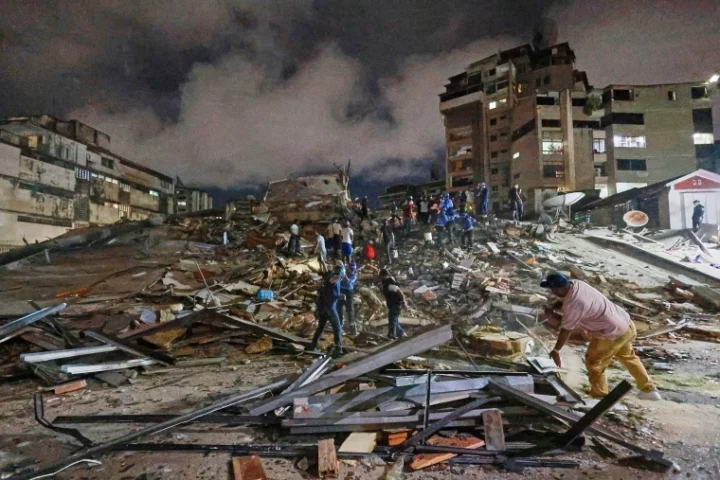
Civilian casualties are increasing, with thousands reported dead or injured across multiple regions. Displacement and humanitarian challenges are also growing, adding another layer of complexity to the crisis.
Interesting Read
Global Implications, India Impact, and Future Outlook
The impact of this war extends far beyond the Middle East. Global energy markets are already reacting to the instability, with oil prices showing volatility due to supply concerns. Countries that rely heavily on energy imports, including India, are particularly vulnerable to these changes.
For India, the challenges are significant. Rising fuel prices can lead to inflation and economic pressure. Additionally, a large number of Indian citizens live and work in Gulf countries, making their safety a major concern. Any further escalation could require evacuation efforts and emergency measures.
Looking ahead, the future of this conflict remains uncertain. It could escalate into a full-scale regional war involving multiple nations, or it may continue as a prolonged conflict with both direct and indirect confrontations. Diplomatic solutions are being discussed, but deep mistrust between the involved parties makes immediate resolution difficult.
Conclusion
In conclusion, the Iran–Israel–United States war is the result of decades of political, ideological, and strategic tensions. What is unfolding today is not just a regional conflict but a global crisis that will shape international relations, economic stability, and geopolitical dynamics for years to come.