Iran warns UAE over alleged collusion with Israel after claims of Netanyahu’s secret UAE visit during the Iran-Israel conflict.
Tensions in the Middle East escalated further after Iran issued a sharp warning to the United Arab Emirates following claims by Israel that Prime Minister Benjamin Netanyahu made a secret visit to the UAE during the ongoing conflict involving Iran, Israel, and the United States.
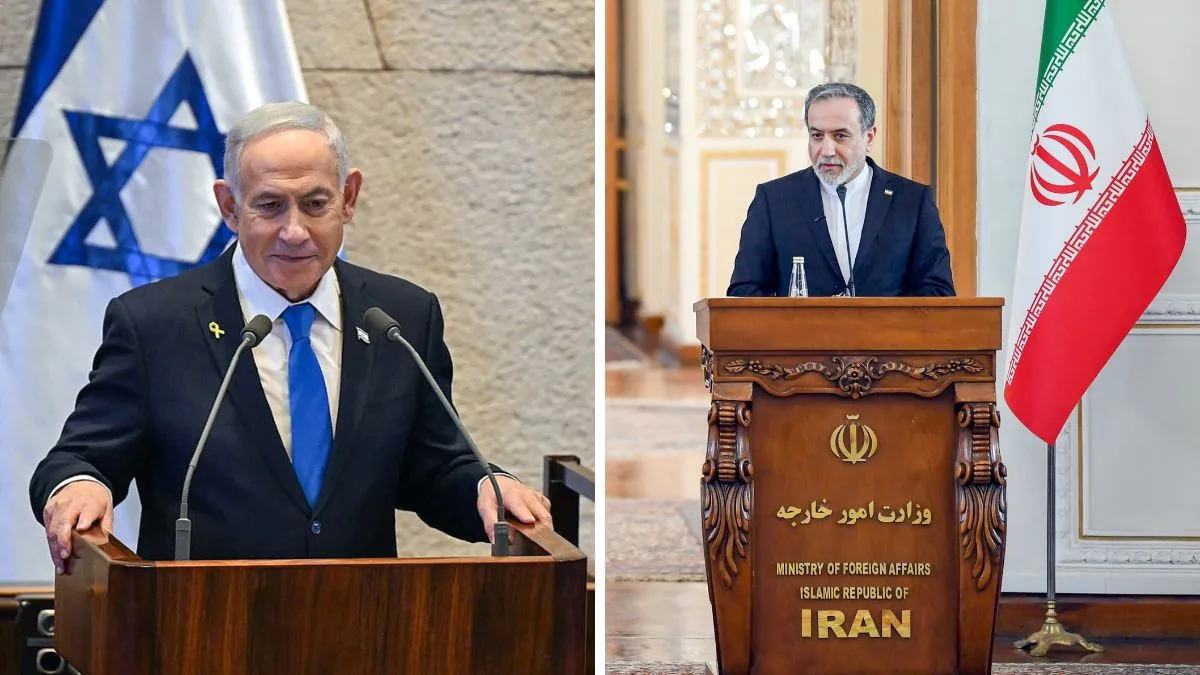
Iran’s Foreign Minister Abbas Araghchi accused unnamed Gulf nations of “colluding with Israel” and warned that any attempt to create hostility against Iran would be considered a “foolish gamble.”
The strong statement came after Israel’s Prime Minister’s Office claimed that Netanyahu secretly travelled to the United Arab Emirates and met UAE President Mohamed bin Zayed Al Nahyan amid Israel’s military campaign known as “Operation Roaring Lion.”
Why Iran Reacted Strongly
According to Iran, the alleged meeting was not a surprise. Araghchi stated that Iranian intelligence agencies had already informed the country’s leadership about the reported engagement between Israeli and Emirati officials.
In a strongly worded message posted on X, Araghchi said:
“Enmity with the people of Iran is a foolish gamble. Collusion with Israel to sow division will be held accountable.”
Although he did not directly mention the UAE, the timing and context of the statement clearly pointed toward Abu Dhabi.
Iran views any growing military or intelligence cooperation between Gulf nations and Israel as a direct regional threat, especially during the ongoing conflict involving Iranian-backed groups and Israeli military operations.
What Israel Claimed About Netanyahu’s UAE Visit
Israel’s Prime Minister’s Office publicly stated that Netanyahu secretly visited the UAE during the war period and described the trip as a “historic breakthrough” in relations between Israel and the Gulf nation.
According to the Israeli statement, the meeting focused on strengthening diplomatic coordination, regional security cooperation, and military connectivity during the conflict with Iran.
Israeli officials also suggested that discussions involved strategic defense coordination as tensions across the region continue to rise.
The statement quickly drew international attention because of the sensitive geopolitical timing and the UAE’s balancing act between maintaining ties with Western allies while avoiding direct confrontation with Iran.
UAE Denies Secret Meeting Claims
Shortly after Israel’s announcement, the UAE strongly denied the claims of a secret Netanyahu visit.
The UAE foreign ministry released a statement saying reports about hosting Netanyahu or receiving Israeli military delegations were “entirely unfounded.”
The statement emphasized that the UAE’s relationship with Israel is already publicly acknowledged under the Abraham Accords and does not rely on hidden or unofficial arrangements.
The UAE also urged media organizations to avoid spreading “unverified information.”
What Reuters and Other Reports Revealed
Despite the UAE’s denial, reports from Reuters cited sources claiming Netanyahu met Sheikh Mohammed bin Zayed in Al Ain on March 26, with discussions reportedly lasting several hours.
Reports also claimed that Dedi Barnea, the chief of Israel’s intelligence agency Mossad, visited the UAE during the conflict to coordinate security and military-related matters.
The development gained further attention after US Ambassador to Israel Mike Huckabee reportedly stated that Israel had deployed Iron Dome defense batteries and personnel to support the UAE during heightened tensions with Iran.
Interesting Reads
Why This Matters Globally
The controversy highlights the growing complexity of Middle East alliances as regional powers navigate security threats, diplomacy, and military partnerships.
For Iran, closer Israel-UAE coordination represents a strategic challenge near its borders. For Israel, deeper ties with Gulf nations strengthen regional influence against Tehran. Meanwhile, the UAE continues trying to maintain economic and diplomatic stability while balancing relations with both Western allies and neighboring countries.
With the Israel-Iran conflict already intensifying regional uncertainty, the latest diplomatic clash could further strain relations across the Gulf and increase fears of broader geopolitical instability.