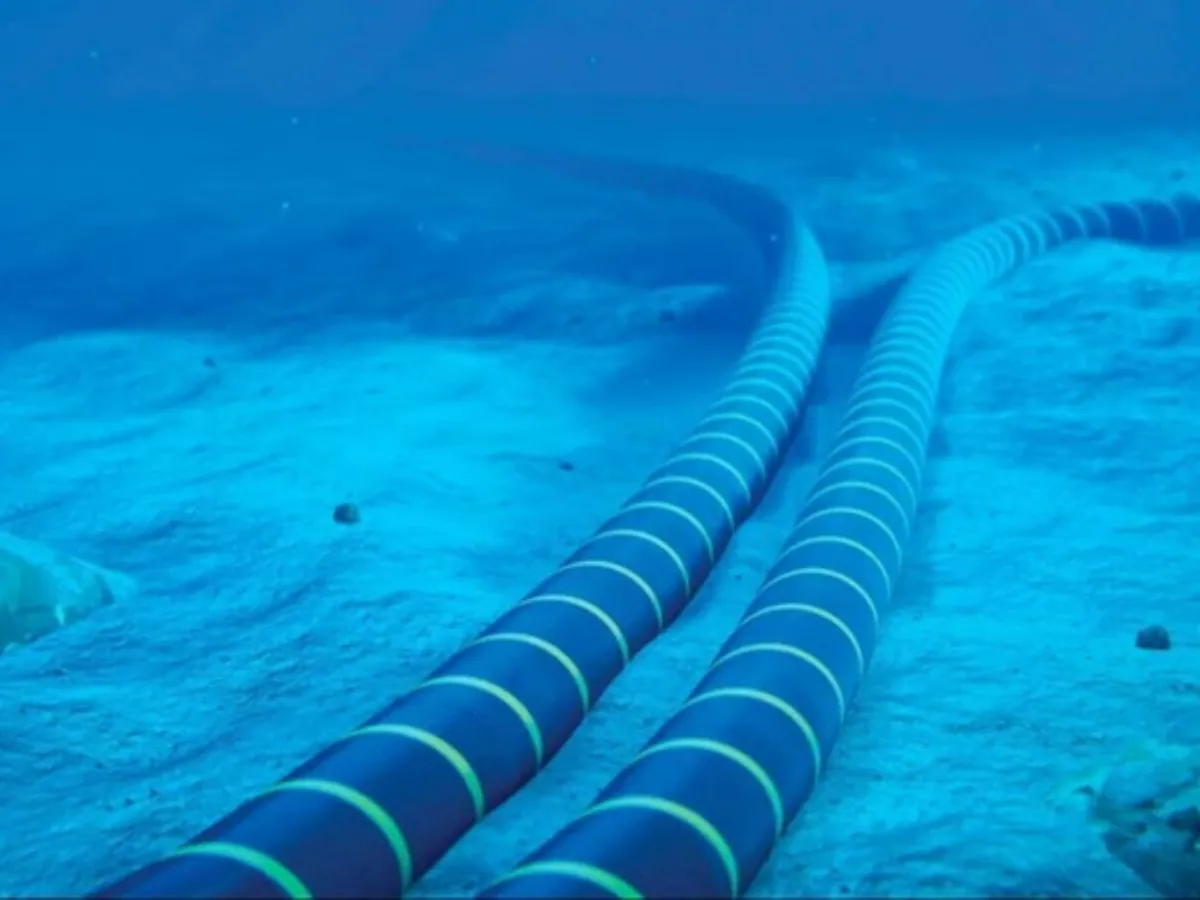
As geopolitical tensions intensify in West Asia due to the escalating US–Iran conflict, concerns are growing over a less visible but critical risk—the safety of undersea internet cables in the Red Sea. These submarine fibre optic networks form the backbone of global digital communication, and any disruption could have far-reaching consequences, including for India.
A Critical Global Lifeline Under Threat
Undersea cables carry nearly 95% of international data, enabling everything from financial transactions and cloud computing to video calls and artificial intelligence operations. The Red Sea, in particular, serves as a key transit route connecting Europe, the Middle East, and Asia.
Amid the ongoing conflict, fears have increased over potential damage to these cables. While Iran has not officially issued any threats, Iran-backed Houthi groups have repeatedly warned about targeting critical infrastructure, including fibre optic networks in the Red Sea. With hostilities escalating, the possibility of deliberate disruption is now a growing global concern.
Lessons from the 2025 Disruption
The vulnerability of these cables was highlighted in September 2025, when a commercial vessel accidentally dragged its anchor across the seabed, severing multiple major cables. The affected networks included SEA-ME-WE 4, IMEWE, FALCON, and Europe India Gateway.
This incident led to widespread internet slowdowns and outages across several regions, particularly in West Asia and South Asia. India, too, experienced network congestion and increased latency, although essential services remained operational.
Experts from the International Cable Protection Committee have noted that such accidental damage is not uncommon, with ship anchors accounting for a significant percentage of global cable faults. However, the current geopolitical climate raises concerns about intentional attacks, which could be far more disruptive.
India’s Digital Dependence and Vulnerabilities
India’s rapidly growing digital economy relies heavily on undersea cable infrastructure. The country currently hosts 17 international submarine cables across 14 landing stations located in Mumbai, Chennai, Cochin, Tuticorin, and Thiruvananthapuram.
However, India’s internet traffic distribution presents a structural challenge. Nearly two-thirds of international data traffic is routed through Mumbai, with most of the remaining traffic passing through Chennai. This concentration creates potential bottlenecks and increases the risk of large-scale disruption if these hubs are affected.
Potential Impact on India
In the event of damage to Red Sea cables, India is unlikely to face a complete internet blackout. However, several disruptions could occur, including:
- Slower internet speeds and higher latency
- Temporary outages in certain regions
- Disruptions in digital payment systems and banking services
- Impact on cloud-based platforms and enterprise operations
- Challenges for IT services, startups, and AI-driven systems
Given India’s increasing reliance on real-time digital services, even minor disruptions can have economic and operational consequences.
A New Dimension of Geopolitical Risk
The Red Sea and the Strait of Hormuz are no longer just strategic maritime routes—they are now critical digital corridors. Any escalation in conflict in these regions could directly impact global connectivity and economic stability.
The situation underscores the urgent need for countries, including India, to invest in diversified routing, stronger infrastructure resilience, and contingency planning to safeguard digital networks against both accidental and intentional disruptions.
Interesting Read
Conclusion
While there is no immediate confirmation of any planned attack on undersea cables, the risks associated with the ongoing conflict cannot be ignored. For India, the threat is not of a complete shutdown, but of performance disruptions that could affect millions of users and businesses.
As the world becomes increasingly interconnected, safeguarding digital infrastructure is emerging as a key priority in global security and economic planning.