Washington’s Air Quality Plunges After Independence Day Fireworks
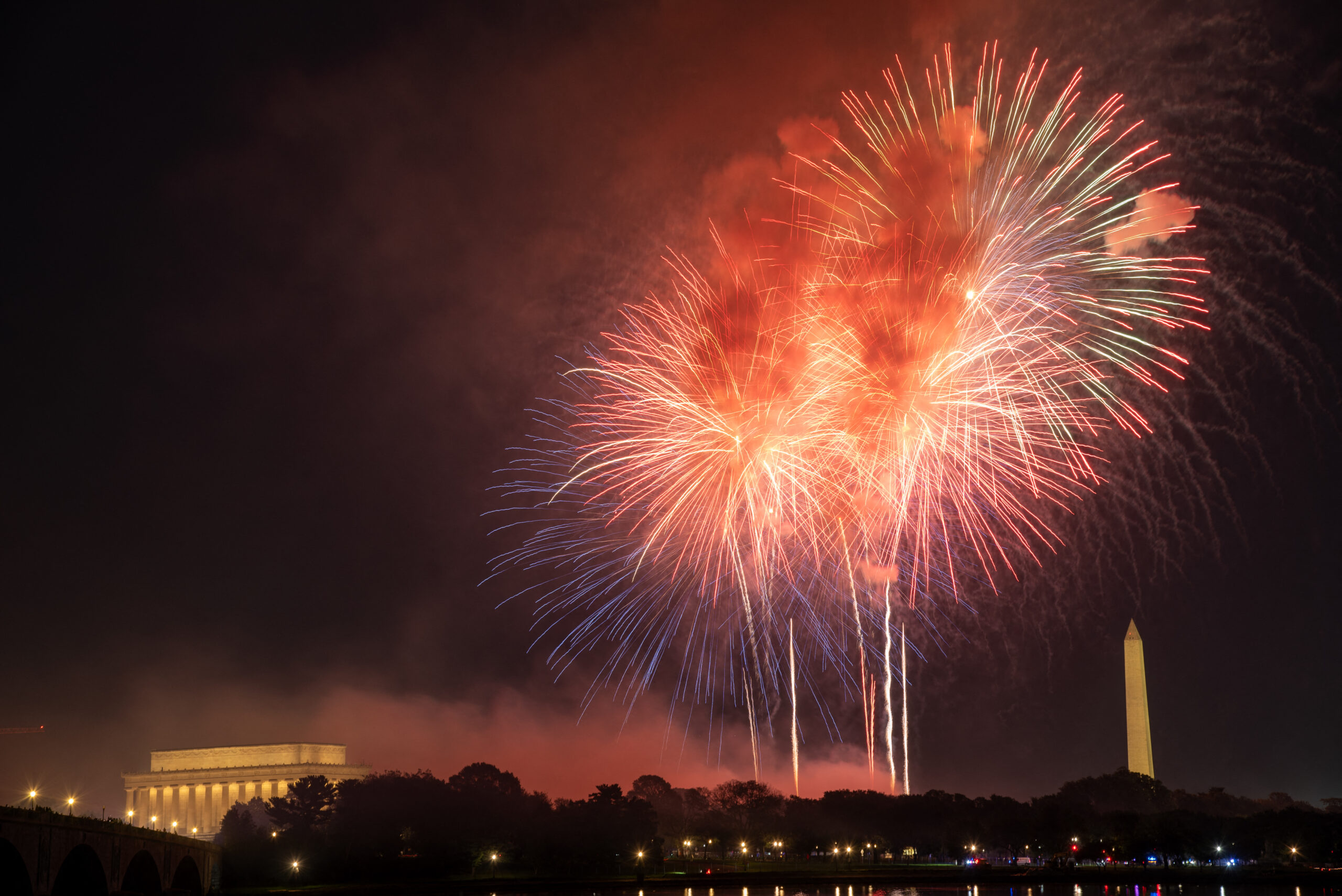
Washington, D.C., briefly recorded the worst air quality among major cities worldwide after an enormous Fourth of July fireworks display sent pollution levels soaring during the United States’ Independence Day celebrations. According to global air quality monitoring platform IQAir, the city’s concentration of fine particulate matter (PM2.5) spiked dramatically following the large-scale pyrotechnic event organized as part of the Trump administration’s Freedom 250 celebrations.
The event, designed to commemorate America’s Independence Day and the country’s approaching 250th anniversary, attracted thousands of spectators and featured one of the largest fireworks displays ever organized in the United States. While the spectacle captivated audiences, it also triggered a sharp but temporary deterioration in air quality, raising fresh concerns about the environmental and public health impacts of large-scale fireworks.
Fireworks Push Washington to the Top of Global Pollution Rankings
Air quality monitors recorded a rapid increase in PM2.5 levels shortly after the main fireworks display began. Within a short period, Washington overtook several heavily polluted global cities to become the world’s most polluted major city based on real-time air quality readings.
PM2.5 particles are among the most dangerous forms of air pollution because they are extremely small—less than 2.5 micrometers in diameter—and can penetrate deep into the lungs and even enter the bloodstream. Exposure to elevated PM2.5 levels has been linked to respiratory illnesses, cardiovascular diseases, asthma attacks, and increased health risks for vulnerable populations.
Environmental experts noted that fireworks release a complex mixture of smoke, heavy metals, sulfur compounds, nitrates, and microscopic particles, causing sudden spikes in pollution that can persist for several hours depending on wind conditions and atmospheric stability.
Freedom 250 Celebrations Featured Massive Fireworks Display
The fireworks formed the centerpiece of the Freedom 250 celebrations, an initiative marking the nation’s 250th year of independence.
According to organizers, Pyrotecnico—the company responsible for the display—planned an ambitious attempt to set a new world record by launching approximately 850,000 fireworks over a 40-minute period.
The event showcased synchronized aerial explosions, elaborate lighting effects, patriotic music, and choreographed pyrotechnics intended to create one of the most memorable Independence Day celebrations in American history.
Despite the impressive visual display, environmental observers noted that such large-scale fireworks inevitably produce substantial quantities of smoke and particulate pollution.
Storm Delays Intensified Pollution Spike
The fireworks display was delayed by more than an hour because of severe weather concerns and potential thunderstorms.
Although smaller neighborhood fireworks had already begun increasing pollution levels across the city earlier in the evening, air quality deteriorated much more rapidly once the main professional display commenced.
The delay may have contributed to pollution becoming trapped closer to the ground, especially if atmospheric conditions limited the dispersion of smoke. Weather patterns such as low wind speeds, humidity, and temperature inversions often worsen the concentration of airborne pollutants after fireworks events.
As thick smoke spread across Washington, visibility decreased in several parts of the city, while air quality monitoring stations registered hazardous levels of fine particulate matter.
Understanding PM2.5 and Why It Matters
PM2.5 refers to airborne particles with a diameter of 2.5 micrometers or smaller. Because of their microscopic size, these particles bypass the body’s natural respiratory defenses and travel deep into lung tissue.
Health experts warn that short-term exposure can lead to:
- Irritation of the eyes, nose, and throat
- Persistent coughing
- Difficulty breathing
- Asthma flare-ups
- Chest discomfort
- Reduced lung function
For individuals with heart disease, chronic obstructive pulmonary disease (COPD), or weakened immune systems, even temporary exposure to elevated PM2.5 concentrations can significantly increase health risks.
Children, older adults, and pregnant women are also considered particularly vulnerable during severe air pollution events.
Fireworks and Air Pollution: A Growing Environmental Concern
Environmental scientists have long warned that fireworks contribute significantly to short-term air pollution episodes around the world.
During combustion, fireworks release:
- Fine particulate matter (PM2.5 and PM10)
- Potassium nitrate
- Sulfur compounds
- Carbon monoxide
- Heavy metals such as barium, copper, strontium, and aluminum
- Toxic gases
These chemicals produce the vivid colors and explosive effects seen in fireworks displays but also degrade air quality.
Studies conducted after major celebrations such as New Year’s Eve, Diwali, and Independence Day have consistently shown dramatic spikes in particulate pollution lasting several hours after fireworks conclude.
Health Experts Advise Precautions During Fireworks Events
Medical professionals recommend that people with respiratory conditions monitor local air quality before attending large fireworks events.
Recommended precautions include:
- Staying indoors if pollution levels become hazardous.
- Wearing high-quality protective masks if outdoor exposure is unavoidable.
- Keeping windows closed during periods of heavy smoke.
- Using indoor air purifiers where available.
- Avoiding strenuous outdoor exercise immediately after fireworks displays.
- Drinking adequate water to reduce respiratory irritation.
Individuals experiencing breathing difficulties should seek medical attention promptly.
Interesting Reads
Washington briefly becomes world’s most polluted city, thanks to Trump’s Fourth of July fireworks
Israel Dismisses NYT report On Alleged Plot Against Iranian Negotiators, Calls It ‘Fake News’
Environmental Debate Around Large Fireworks Displays
The Washington pollution episode has renewed discussions over balancing public celebrations with environmental sustainability.
Several cities worldwide have already begun adopting alternatives such as:
- Drone light shows
- Laser projections
- Projection mapping
- Low-smoke fireworks
- Eco-friendly pyrotechnics
Supporters argue these alternatives significantly reduce particulate pollution while still providing visually engaging public celebrations.
Traditional fireworks, however, remain deeply embedded in cultural and national festivities, making a complete transition unlikely in the near future.
Air Quality Improved After Smoke Dissipated
Although Washington briefly ranked as the world’s most polluted major city, the deterioration proved temporary.
As weather conditions improved and smoke gradually dispersed overnight, PM2.5 concentrations declined, allowing air quality to return toward normal levels.
Environmental agencies noted that such pollution spikes are typically short-lived but emphasized that repeated exposure during multiple fireworks events throughout the year can contribute to cumulative health impacts.
Broader Implications for Urban Air Quality
The incident highlights how even cities with relatively good baseline air quality can experience severe but temporary pollution episodes during major celebrations.
Experts say the event underscores the importance of:
- Real-time air quality monitoring
- Public health advisories
- Cleaner celebration technologies
- Improved awareness of pollution risks
- Research into environmentally sustainable public events
With climate change, urban pollution, and respiratory illnesses becoming increasingly significant public health concerns, policymakers are expected to continue evaluating ways to preserve cultural traditions while minimizing environmental damage.
Conclusion
Washington’s brief rise to the top of global pollution rankings following the Fourth of July fireworks demonstrates the significant environmental impact that large-scale pyrotechnic displays can have within a matter of minutes. While the Freedom 250 celebrations delivered an unforgettable visual spectacle, they also served as a reminder that festive traditions often come with hidden environmental and health costs.
As cities worldwide search for cleaner ways to celebrate national events, the debate over fireworks and air quality is likely to become even more prominent in the years ahead.