
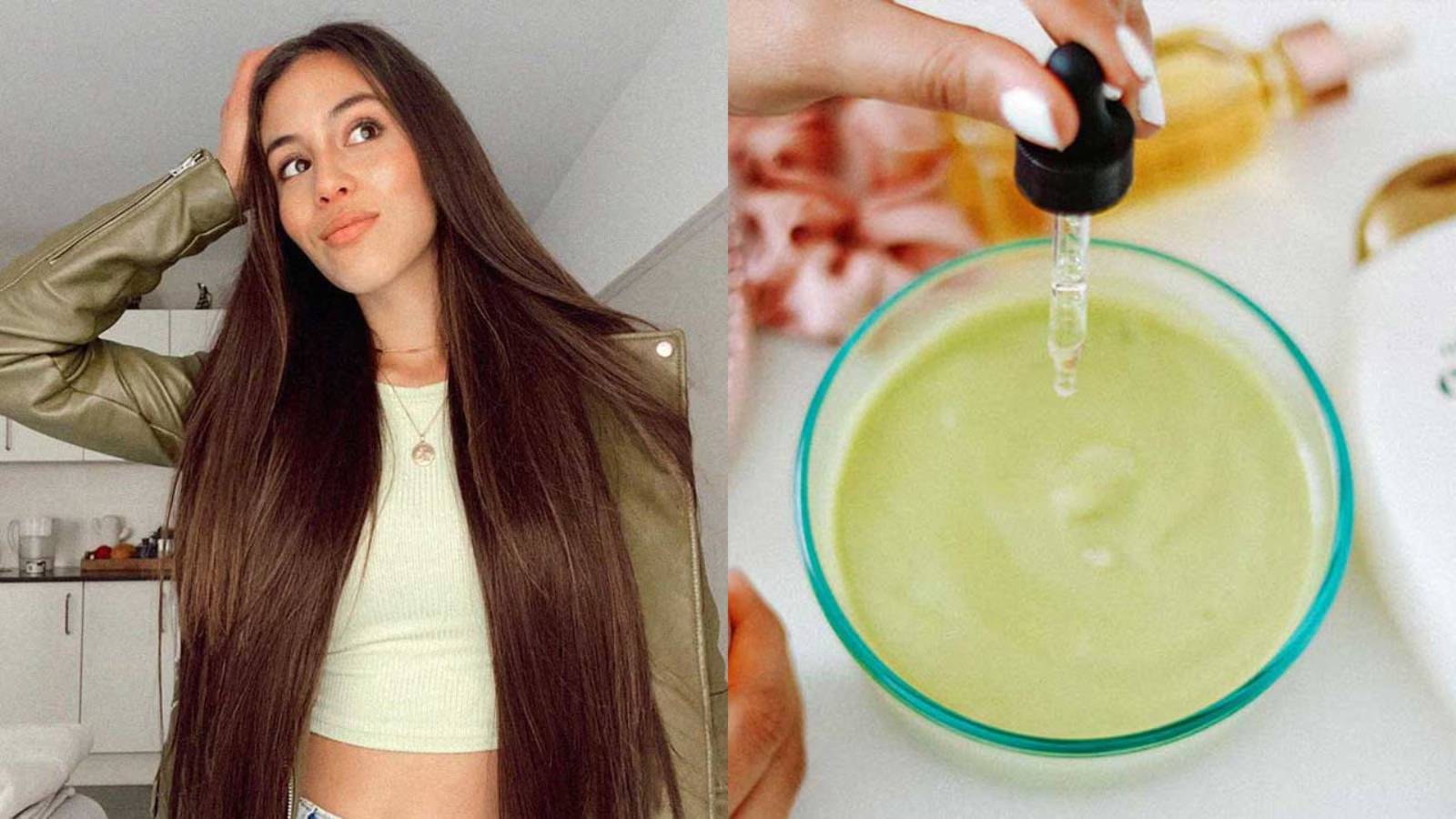
Viral Hair Growth Hacks: Are They Helping Your Hair or Making Hair Loss Worse?
Hair loss has become one of the most common health and cosmetic concerns affecting people across all age groups. Whether it’s noticing excessive hair strands on your pillow, seeing a widening parting, or watching your hairline gradually recede, hair fall often triggers anxiety and a desperate search for quick solutions.
In today’s digital world, social media platforms like Instagram, YouTube, TikTok, and Facebook are flooded with influencers promoting “miracle” hair growth remedies. From onion juice and rosemary oil to garlic masks, rice water rinses, DIY microneedling, aloe vera treatments, and homemade herbal mixtures, these viral hair growth hacks promise thicker, healthier, and longer hair—often within just a few weeks.
While these remedies appear natural and inexpensive, medical experts warn that blindly following internet trends without understanding the science behind hair loss may actually worsen the problem. Some viral hacks can irritate the scalp, damage hair follicles, delay professional treatment, and even accelerate hair thinning.
According to Dr. Pradeep Sethi, Hair Transplant Surgeon and Co-founder of Eugenix Hair Sciences, not every viral remedy is harmful—but neither is every natural ingredient scientifically proven to regrow hair.
The key question is simple:
Are viral hair growth hacks truly effective, or are they putting your scalp at risk?
Why People Are Turning to Viral Hair Growth Remedies
Hair loss affects millions of people worldwide, and the emotional impact is significant. Many individuals experience reduced confidence, anxiety, and stress after noticing progressive thinning.
Several reasons explain why social media remedies have become so popular:
- They are inexpensive.
- Ingredients are available at home.
- Influencers often show dramatic “before and after” transformations.
- Natural products are generally perceived as safer than medicines.
- Professional hair treatments can be expensive.
However, experts caution that social media algorithms reward dramatic results—not medical accuracy.
Most viral videos fail to explain:
- the actual cause of hair loss,
- who the remedy is suitable for,
- possible side effects,
- scientific evidence,
- or when medical treatment is necessary.
As a result, many people spend months experimenting while their hair loss continues to progress.
Understanding Hair Loss: One Problem, Many Causes
Before trying any treatment, it is essential to understand that hair loss is not a disease in itself but rather a symptom of various underlying conditions.
Common causes include:
- Genetic pattern baldness (Androgenetic Alopecia)
- Hormonal imbalance
- Polycystic Ovary Syndrome (PCOS/PMOS)
- Thyroid disorders
- Iron deficiency
- Vitamin D deficiency
- Poor nutrition
- Chronic stress
- Autoimmune diseases
- Certain medications
- Scalp infections
- Pregnancy and postpartum hormonal changes
Each cause requires a different treatment approach.
Applying random home remedies without identifying the underlying reason may simply waste valuable time.
Can Viral Hair Growth Hacks Actually Make Hair Loss Worse?
According to dermatologists and hair specialists, yes.
Some home remedies are relatively harmless when used correctly, but others can create new scalp problems.
Possible risks include:
- Scalp inflammation
- Allergic reactions
- Contact dermatitis
- Chemical burns
- Damaged hair follicles
- Increased hair shedding
- Delayed medical diagnosis
- Permanent follicle damage in severe cases
Many people mistake temporary improvement in hair texture for genuine hair regrowth.
Experts explain that smoother hair or shinier strands do not necessarily indicate new hair growth.
Microneedling: Helpful When Done Correctly
Among the many viral hair growth techniques, microneedling has gained considerable attention.
The procedure involves creating tiny controlled punctures in the scalp using fine needles.
This process stimulates:
- blood circulation,
- wound healing,
- collagen production,
- and growth factor release.
These biological responses may improve the health of existing hair follicles.
However, Dr. Sethi explains that microneedling alone cannot treat the root cause of genetic hair loss.
The primary cause of male and female pattern baldness is Dihydrotestosterone (DHT)—a hormone responsible for shrinking hair follicles over time.
Microneedling improves the scalp environment but does not reduce DHT levels.
When performed incorrectly at home, microneedling can also lead to:
- infections,
- bleeding,
- permanent scarring,
- bacterial contamination,
- folliculitis,
- and worsening hair loss.
Professional supervision remains essential.
Onion Juice: Popular but Scientifically Limited
Onion juice has become one of the most viral home remedies for hair growth.
Supporters claim its sulfur content strengthens hair roots and stimulates regrowth.
While sulfur is important for healthy hair proteins, current scientific evidence remains limited.
Experts warn that onion juice may cause:
- burning sensations,
- itching,
- redness,
- scalp irritation,
- unpleasant odor,
- allergic reactions.
Improper washing after application may further irritate the scalp.
People with sensitive skin or eczema should be particularly cautious before trying onion-based treatments.
Rosemary Oil: Promising but Not a Miracle Cure
Rosemary oil has emerged as perhaps the most recommended natural hair treatment online.
Some early research suggests rosemary oil may improve hair density when used consistently over several months.
However, experts emphasize that evidence remains limited.
According to Dr. Sethi:
- Rosemary oil has not received approval as a medical treatment for androgenetic alopecia.
- Results vary significantly between individuals.
- It cannot replace clinically proven medications.
Another concern involves improper application.
Undiluted rosemary essential oil may cause:
- irritation,
- inflammation,
- allergic reactions,
- scalp dryness.
Essential oils should always be diluted using a carrier oil before application.
Garlic Masks Can Be Dangerous
Garlic is another frequently promoted ingredient for stimulating hair growth.
Although garlic contains antioxidant compounds, applying raw garlic directly to the scalp may be risky.
Medical literature has documented cases of:
- skin burns,
- blistering,
- chemical irritation,
- severe allergic dermatitis.
The scalp is particularly sensitive.
Ingredients that are safe to consume are not necessarily safe for direct application.
Experts advise avoiding strong homemade mixtures unless recommended by qualified dermatologists.
Rice Water: Helpful for Hair Texture, Not Hair Growth
Rice water rinses have become especially popular after videos highlighting traditional Japanese and Chinese beauty practices.
Rice water contains:
- amino acids,
- antioxidants,
- vitamins,
- minerals.
These nutrients may improve hair smoothness and reduce breakage.
However, there is currently no strong evidence showing rice water can:
- reactivate dormant follicles,
- reverse baldness,
- or permanently increase hair density.
Overuse may also lead to protein buildup, making hair brittle over time.
Interesting Reads
Can viral hair growth hacks make hair loss worse? An expert warns and says to think before you try
World Health Organization’s Advice: Lower Heart Attack Risk with Low-Sodium Salt.
Why Proven Medical Treatments Still Matter
While viral remedies dominate social media, dermatologists continue recommending treatments supported by decades of scientific research.
Two of the most widely accepted options include:
Minoxidil
Minoxidil works by:
- improving blood flow,
- extending the hair growth phase,
- stimulating follicle activity.
Patients often notice:
- reduced shedding,
- thicker strands,
- gradual improvement over several months.
Some temporary shedding during early treatment is considered normal.
Finasteride
Finasteride addresses one of the primary causes of male pattern baldness.
It works by reducing DHT production.
Lower DHT levels help:
- slow follicle shrinkage,
- preserve existing hair,
- reduce future hair loss.
Both medications should only be used under medical supervision.
Healthy Hair Starts From Within
Hair growth depends on much more than oils and shampoos.
Experts emphasize that internal health plays a major role.
A healthy hair routine includes:
Balanced Nutrition
Hair follicles require:
- protein,
- iron,
- zinc,
- Vitamin D,
- Vitamin B12,
- Biotin,
- Omega-3 fatty acids.
Crash diets and nutritional deficiencies often trigger excessive shedding.
Stress Management
Chronic stress increases cortisol levels.
High cortisol may contribute to:
- telogen effluvium,
- increased shedding,
- slower hair recovery.
Yoga, meditation, regular exercise, and quality sleep can significantly improve hair health.
Proper Scalp Hygiene
A healthy scalp creates a better environment for hair growth.
This includes:
- regular cleansing,
- treating dandruff,
- avoiding excessive product buildup,
- preventing fungal infections.
Adequate Sleep
Hair repair largely occurs during sleep.
Poor sleep quality disrupts hormone balance, affecting hair growth cycles.
When Should You See a Dermatologist?
Experts recommend seeking medical advice if:
- Hair loss continues beyond two to three months.
- Bald patches appear suddenly.
- Excessive shedding occurs daily.
- Scalp itching, redness, or pain develops.
- Hair loss follows illness or pregnancy.
- Family history suggests genetic baldness.
Early diagnosis often leads to better treatment outcomes.
Waiting too long may allow irreversible follicle damage.
The Hidden Cost of Following Viral Trends
One of the biggest dangers of internet remedies is delayed treatment.
Many patients spend:
- six months,
- one year,
- or even several years
trying oils, masks, supplements, and DIY treatments before consulting a specialist.
By then, hair follicles may have permanently miniaturized.
Medical interventions become less effective once follicles stop producing hair entirely.
Early treatment offers the best opportunity to preserve existing hair.
The Future of Hair Care: Science Over Social Media
Social media has made hair care information more accessible than ever before.
Unfortunately, it has also created an environment where popularity often outweighs scientific evidence.
Experts encourage consumers to verify health information before experimenting with viral trends.
Natural ingredients are not automatically safe.
Likewise, expensive products are not automatically effective.
The most successful hair care strategy combines:
- scientific diagnosis,
- personalized treatment,
- healthy lifestyle habits,
- proper nutrition,
- stress management,
- and professional guidance.
Conclusion
Viral hair growth hacks may appear attractive because they promise fast, affordable, and natural solutions to one of the most frustrating health concerns. While some ingredients such as rosemary oil or microneedling may offer supportive benefits under appropriate conditions, they are not miracle cures and should never replace evidence-based medical treatment.
Hair loss is often the result of complex hormonal, genetic, nutritional, or medical factors that cannot be solved through a single homemade remedy. Delaying professional diagnosis while experimenting with internet trends may allow hair thinning to progress further, making future treatment more difficult.
Dermatologists recommend approaching viral beauty trends with caution, understanding the science behind each remedy, and seeking expert consultation whenever hair loss becomes persistent. Ultimately, healthy hair depends not only on what is applied externally but also on overall health, balanced nutrition, proper scalp care, and timely medical intervention.
In the age of viral wellness advice, informed decisions—not internet trends—remain the strongest foundation for long-term hair health.