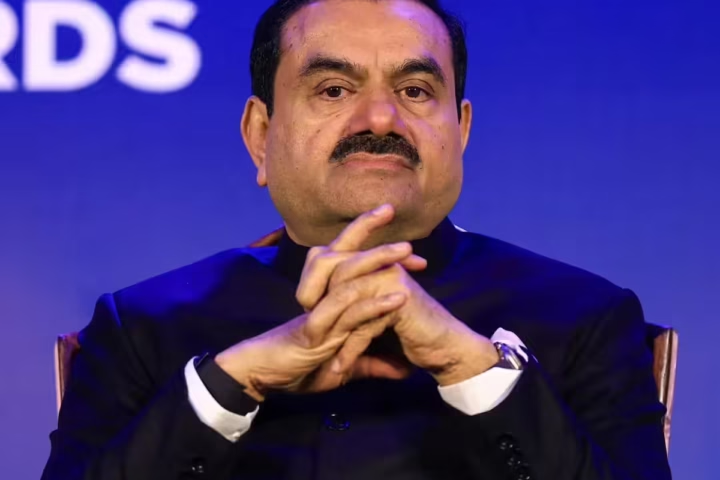
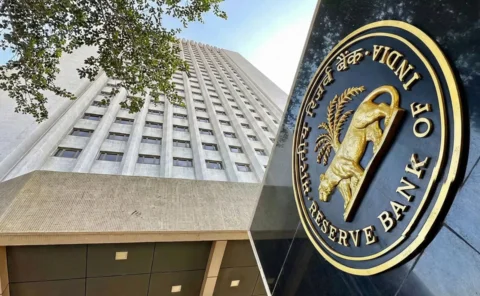
RBI Governor Sanjay Malhotra Says Proposal is in Preliminary Stage; Polymer Notes Could Improve Durability and Security
New Delhi: India could soon witness one of the biggest changes in its currency system in decades, with the Reserve Bank of India (RBI) actively considering the introduction of polymer-based currency notes. RBI Governor Sanjay Malhotra confirmed that a proposal to launch plastic currency notes is currently under evaluation, signaling a potential shift from traditional paper banknotes to more durable and secure alternatives.
Speaking after the latest monetary policy announcement, Malhotra stated that the proposal remains in its preliminary stage and is being carefully examined by the central bank. While no final decision has been taken, the development has reignited discussions about the future of cash circulation in India.
Why Is RBI Considering Plastic Currency Notes?
The move comes at a time when the circulation of cash in India continues to rise despite the rapid growth of digital payment platforms such as UPI. Increased demand for physical currency has led to higher printing costs and a growing volume of worn-out notes that require replacement every year.
Polymer banknotes, commonly known as plastic currency notes, offer a potential solution to these challenges. Made from a special polymer substrate instead of traditional cotton paper, these notes are significantly more durable and can remain in circulation for a much longer period.
Experts believe that switching to polymer currency could help reduce long-term printing expenses while improving the overall efficiency of currency management in the country.
Interesting Reads
PM Modi Urges Indians to avoid gold purchases amid oil crisis
Plastic Currency Notes May Soon Arrive in India as RBI Evaluates Major Currency Reform
Enhanced Security Features
One of the biggest advantages of polymer banknotes is their advanced security features. Countries that have adopted plastic currency often incorporate transparent windows, holographic elements, microprinting, and other sophisticated anti-counterfeiting measures.
These enhanced security features make polymer notes much harder to duplicate, helping central banks combat counterfeit currency and strengthen public trust in the financial system.
For a country like India, where currency security remains a critical concern, polymer notes could provide an additional layer of protection against forgery.
Not the First Time India Has Considered Plastic Notes
The idea of introducing polymer currency in India is not new. More than a decade ago, the RBI had proposed field trials for plastic banknotes.
In February 2014, the Government of India informed Parliament that approximately one billion polymer notes of ₹10 denomination would be introduced on a trial basis. The pilot project was planned across five geographically diverse cities:
- Kochi
- Mysore
- Jaipur
- Shimla
- Bhubaneswar
These locations were selected to evaluate how polymer notes would perform under different climatic and environmental conditions. However, the project did not eventually progress to nationwide implementation.
The latest proposal suggests that the RBI is once again assessing whether advancements in technology and changing economic requirements make polymer banknotes a practical option for India.
Global Success of Polymer Currency
Several countries have already successfully transitioned to polymer currency. Nations such as Australia, Canada, New Zealand, the United Kingdom, and Singapore use polymer banknotes due to their longer lifespan, resistance to moisture, and superior security features.
Studies conducted in these countries have shown that polymer notes generally last several times longer than conventional paper notes, resulting in lower replacement costs and improved sustainability.
Cash Usage Continues to Grow in India
Despite India’s leadership in digital payments and fintech innovation, cash remains an essential part of everyday transactions for millions of citizens. Rural and semi-urban regions continue to rely heavily on physical currency for daily commerce.
The increasing demand for cash has led policymakers to explore ways to make the currency ecosystem more efficient and cost-effective. Polymer notes could play a significant role in achieving these objectives while maintaining the convenience and accessibility of cash transactions.
What Happens Next?
According to RBI Governor Sanjay Malhotra, the proposal is currently under detailed examination and remains at an early stage. Any future transition to polymer currency would likely involve extensive testing, regulatory approvals, and phased implementation before being rolled out across the country.
For now, India’s paper currency remains unchanged. However, the possibility of plastic banknotes entering circulation marks a significant development that could reshape the future of cash in the world’s fifth-largest economy.
Conclusion
The RBI’s renewed interest in polymer currency notes reflects its efforts to modernize India’s financial infrastructure while addressing challenges related to durability, security, and rising currency management costs. Although the proposal is still in its infancy, the introduction of plastic currency could represent a major milestone in India’s evolving monetary landscape.
As discussions continue, citizens and businesses alike will be closely watching the RBI’s next steps toward what could become a historic transformation of Indian currency.