West Bengal has entered a phase of political upheaval after the All India Trinamool Congress (TMC) suffered a decisive defeat in the West Bengal Assembly Elections 2026. The Bharatiya Janata Party (BJP) secured a commanding 207 out of 294 seats, while the TMC was reduced to just 80 seats—marking a dramatic shift in the state’s political balance and ending the ruling party’s stronghold.
The election outcome has triggered immediate administrative consequences, with multiple high-profile resignations from individuals closely associated with Chief Minister Mamata Banerjee.
Wave of Resignations Signals Administrative Shift
Several senior bureaucrats and advisors appointed during Banerjee’s tenure have stepped down, indicating a transition in governance. Among them are former chief secretaries Alapan Bandyopadhyay, HK Dwivedi, and Manoj Pant. Economist Abhirup Sarkar also resigned from his roles in key state-run corporations, including those linked to infrastructure and small industries.
Sarkar clarified that his positions were tied to the political leadership, stating that continuing after a change in mandate would not be appropriate. His statement reflects a broader sentiment among appointees whose roles were aligned with the previous government.
In addition, Advocate General Kishore Datta has submitted his resignation to Governor RN Ravi. A former journalist serving as a media advisor in the state’s Information and Cultural Affairs department has also stepped down, with indications that more resignations may follow in the coming days.
Political Tensions Rise as Mamata Holds Ground
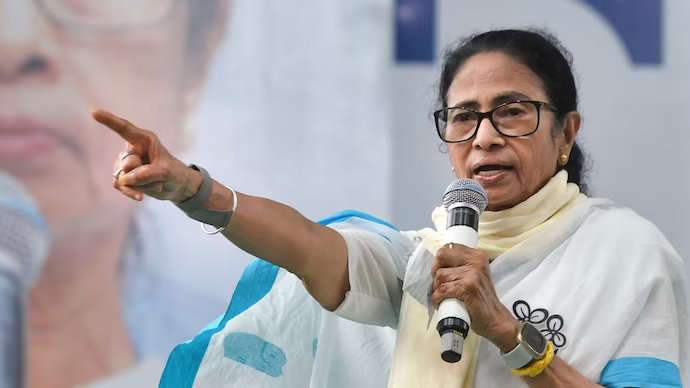
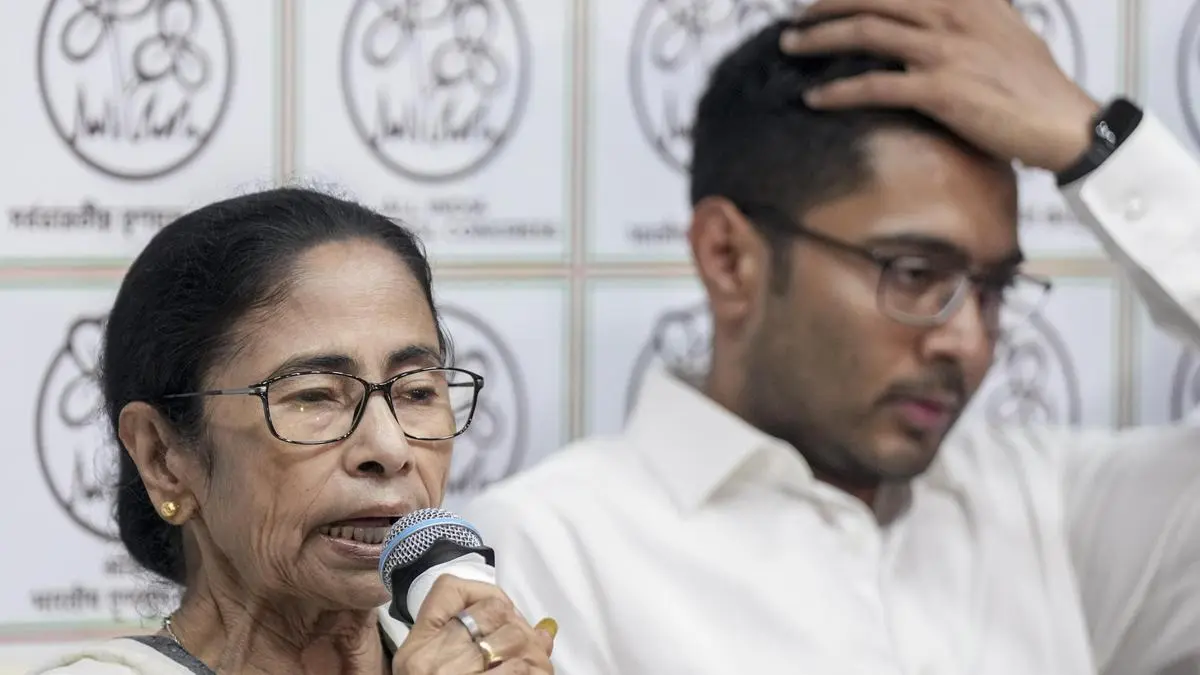
Despite the scale of the defeat, Mamata Banerjee has refused to step down as Chief Minister. She has alleged irregularities in the counting process, claiming that the results do not reflect the true will of the people. Her stance has intensified political tensions, with opposition leaders questioning her decision to remain in office after the electoral loss.
The current developments also revive past administrative flashpoints, including the 2021 episode involving Alapan Bandyopadhyay, who chose to retire rather than comply with a central directive following a review meeting chaired by Prime Minister Narendra Modi after Cyclone Yaas. His later appointment as a key advisor to the Chief Minister had underscored the close alignment between the administrative and political leadership at the time.
Interesting Read
Conclusion: Bengal at a Turning Point
The 2026 election results have not only reshaped West Bengal’s political landscape but also triggered a broader administrative reset. The BJP’s landslide victory signals a clear mandate for change, while the wave of resignations highlights the unwinding of the previous regime’s advisory structure.
With Mamata Banerjee contesting the legitimacy of the outcome and key officials stepping aside, the state now faces a period of uncertainty and transition. The coming weeks will be crucial in determining how quickly a new administrative framework takes shape and how effectively governance adapts to the new political reality. West Bengal stands at a critical juncture, where both political direction and institutional stability will define its path forward.